Netanyahu Directs Israeli Security Services to Pursue Iran Regime Change
Israeli Prime Minister Benjamin Netanyahu has ordered the IDF and Mossad to pursue the overthrow of Iran's government, calling it the only way to eliminate an existential threat, days before a critical national election.

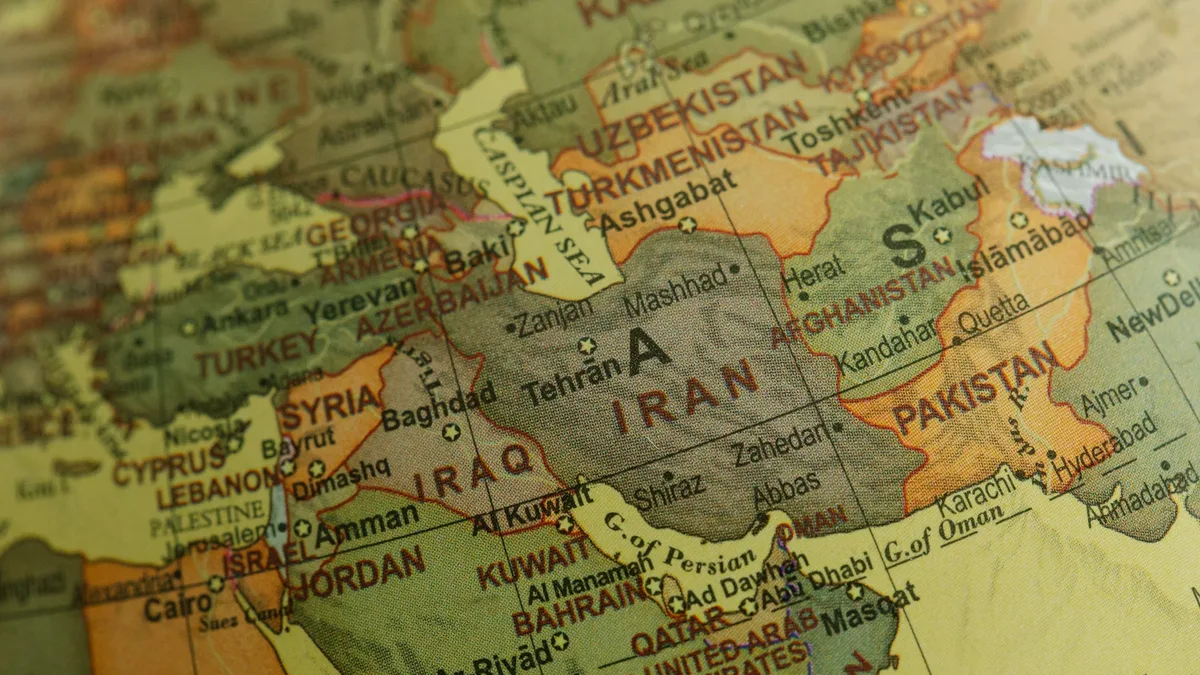
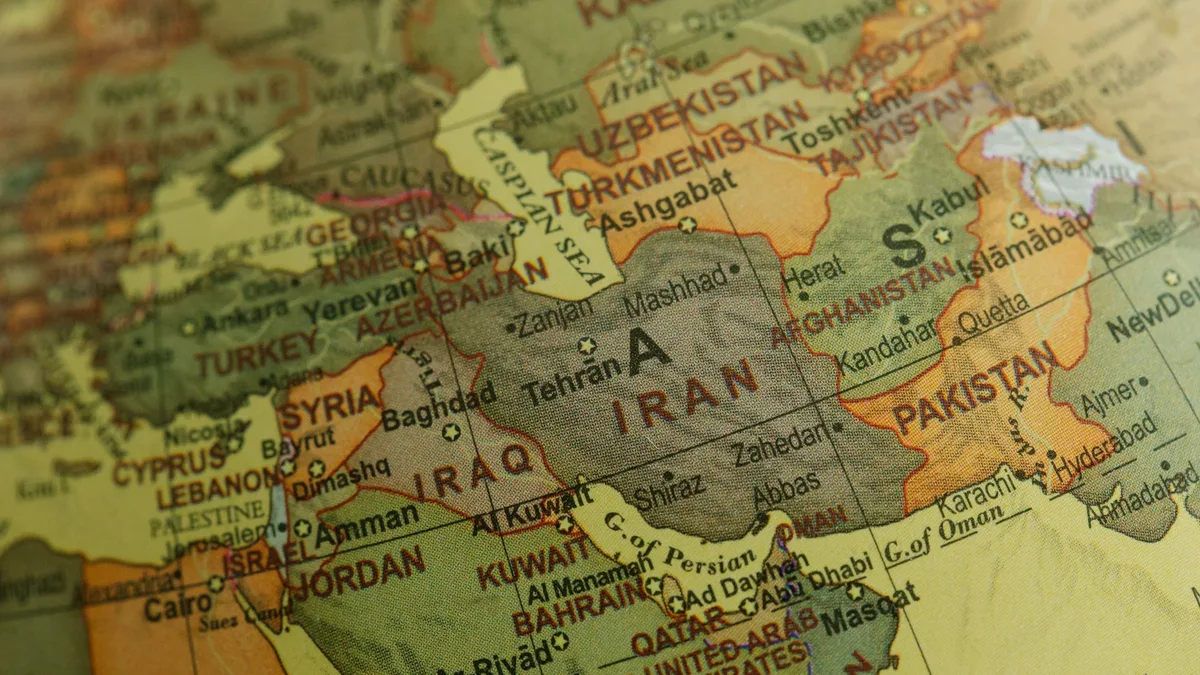
Israeli Prime Minister Benjamin Netanyahu has explicitly directed the country's military and intelligence services to pursue the overthrow of Iran's government. Netanyahu stated that overthrowing the Iranian regime remains Israel's primary objective and is the only way to remove the existential threat from Tehran.
Netanyahu made the statement at an Israel Defense Forces graduation ceremony on Wednesday. He said he had directed the IDF, Mossad, and other security branches to pursue this goal. The directive frames the elimination of Iran's nuclear threat as dependent on a change of government in Tehran.
Election Context and Military Buildup
The directive comes just days before a critical parliamentary election in Israel on October 27. This will be the first national vote since Hamas's October 7, 2023, attack on Israel, which triggered conflicts in Gaza, Lebanon, and with Iran. Netanyahu's Likud party faces a crucial test in this vote.
Amid the political campaign, Israeli forces have increased training exercises with the United States. Netanyahu's remarks followed conversations with US President Donald Trump and a visit to Israel by US Defense Secretary Pete Hegseth, who met with Netanyahu at Ovda Air Base.
U.S. Involvement and Strategic Limitations
US officials have indicated that joint US-Israeli strikes against Iran are expected to resume after the US midterm elections next month. However, analysts stress the severe limitations of such a strategy for achieving regime change. Netanyahu himself acknowledged the limits of airpower in March, stating, "You can't do it only from the air."
The central obstacle is the gap between Israel's ability to destroy military targets and its capacity to force political change within Iran. Air strikes alone are unlikely to topple the government; a successful ground invasion would require a far greater military commitment that Israel cannot provide and the US would not engage in.
While Israel possesses significant firepower, including air superiority and refuelling capabilities, it lacks the US capacity for striking deeply buried nuclear facilities without American participation. Covert operations and cyberattacks do not offer a clear route to overthrowing Iran's government, and intelligence assets are considered high-risk. Kurdish or Baloch opposition groups also lack the capability to challenge Iran's Revolutionary Guard Corps.
Iran presents a formidable defensive challenge. Its southern mountains provide natural shelters against air attack, and it retains sizeable missile stockpiles. Repeated attacks also impose a financial burden on Israel due to the cost imbalance between intercepting inexpensive Iranian drones and using costly defensive missiles.
Regional Reactions and Risks
The escalating rhetoric has triggered stark warnings from Iranian officials. Iran's advisor Mehdi Mohammadi stated that a return to active fighting would be an existential threat and that Iran's strategy is 'zero red lines'. Mohsen Rezaei, Iran's security council secretary, said fresh U.S.-Israeli attacks would result in Iranian retaliation against oil facilities, undersea cables, and data centers across up to seven Persian Gulf countries.
Regional tensions are already high. The U.S. State Department recently ordered nonessential embassy staff and families to leave Saudi Arabia due to the risk of Houthi strikes escalating conflicts. The U.S. Embassy in Riyadh was operating with a skeleton crew after a drone strike damaged the building in March.
President Donald Trump amplified the confrontation on Thursday, writing on Truth Social that Iran is an 'Evil Regime' and must never have a nuclear weapon. Netanyahu's directive to pursue regime change through military means remains contingent on both the outcome of Israel's imminent election and continued coordination with the United States.