
Us And Canada
| Instrument | Treaty |
|---|---|
| Date signed | 1988 |
| Parties | United States, Canada |
| Primary purpose | Free trade in goods |
| Superseded by | NAFTA (1994) |
| Current status | Superseded |
| Legal framework | Bilateral treaty |
Origin and history
The relationship between the United States and Canada originates from the colonial and territorial evolution of North America, primarily involving British and French imperial claims. The 19th century saw key developments, including the War of 1812, which solidified the separate national paths, and the Oregon Treaty of 1846, which peacefully extended the border westward. The process of Canadian Confederation in 1867 created a unified federal dominion adjacent to the United States, establishing the two distinct political entities that define the relationship today. The early 20th century was marked by a gradual shift from British-led diplomacy to direct bilateral management between Washington and Ottawa. The foundational instruments of the modern relationship, such as the International Joint Commission, were established in the first decade of the 1900s to manage shared waterways and boundary issues.
What it is for
The relationship serves to manage the extensive shared border, which is the longest undefended land boundary in the world, requiring coordinated security, customs, and immigration policies. It provides a framework for deep economic integration, facilitating the largest bilateral trading relationship globally, with billions of dollars in goods and services crossing the border each day. The relationship structures cooperation on continental defense, primarily through the North American Aerospace Defense Command (NORAD) and mutual commitments within the NATO alliance. It establishes mechanisms for resolving transboundary environmental issues, such as air quality, water management, and the protection of shared ecosystems like the Great Lakes. The diplomatic framework also allows for coordination on multilateral international issues, where the two states often, though not always, share similar perspectives and goals. Furthermore, it exists to manage disagreements and disputes through established legal and diplomatic channels rather than through conflict.
Overview
The United States and Canada maintain a comprehensive bilateral relationship characterized by extensive institutional ties, deep economic interdependence, and generally aligned strategic interests. The core instrument governing the day-to-day relationship is a vast network of treaties, agreements, and memoranda of understanding covering trade, environmental protection, border management, and defense. Key foundational agreements include the 1909 Boundary Waters Treaty, the 1958 NORAD Agreement, and the 1988 Canada-United States Free Trade Agreement, which was superseded by the North American Free Trade Agreement (NAFTA) in 1994 and later the United States-Mexico-Canada Agreement (USMCA) in 2020. Governance involves constant interaction at multiple levels, from executive leadership summits to working groups within countless federal departments and agencies. While remarkably stable and cooperative, the relationship is not without periodic tensions, often stemming from trade disputes, divergent domestic policies, or differing approaches to foreign affairs. The overwhelming asymmetry in population, economic size, and global influence between the two partners is a constant and defining feature of all interactions.
What to know
The economic integration is so profound that disruptions at key border crossings can cause immediate supply chain failures in both nations' automotive, agricultural, and manufacturing sectors. The Safe Third Country Agreement, governing asylum claims, is a critical and often contentious element of border management that significantly impacts migration patterns. Despite the "undefended border" concept, there is substantial law enforcement and intelligence cooperation, and the border itself is heavily monitored with technology and personnel. Cultural and societal connections are immense, with significant cross-border media consumption, family ties, and tourism, yet distinct national identities and political cultures remain firmly entrenched. The International Joint Commission (IJC), established by the Boundary Waters Treaty, is a unique binational body with significant authority to approve or reject projects affecting shared water levels and flows. It is essential to understand that Canadian foreign and economic policy is perpetually and necessarily mindful of U.S. actions and attitudes, while U.S. policy toward Canada is often a secondary consideration domestically, except during acute disputes.
Common questions
A common question is why the border is called "undefended," which refers to the absence of military fortifications and large troop deployments, not the absence of law enforcement and security infrastructure. Many inquire about the major sources of tension, which historically include softwood lumber disputes, agricultural supply management, intellectual property rights, and bilateral pipeline projects like Keystone XL. A frequent question concerns the legal difference between the International Boundary and the International Joint Commission, where the former is the physical line and the latter is the treaty-based organization that manages water and air issues along it. Individuals often ask if Canadians need a passport to enter the United States, which they do for air travel, while enhanced driver's licenses or NEXUS cards are options for land and sea crossings. Another common query is about the role of the U.S. President and Canadian Prime Minister, whose personal rapport can smooth relations but cannot override entrenched structural or sectoral disagreements for long.
Pros and cons
The deep security cooperation provides continental early warning and defense at a scale and efficiency neither nation could achieve alone. The relationship offers a stable, predictable, and rules-based framework for managing North American affairs, which is a significant strategic asset in an uncertain world. A major con is the inherent vulnerability for Canada, whose economy and policy autonomy can be disproportionately affected by U.S. domestic politics or unilateral trade actions. The asymmetry often leads to frustrations in the United States when Canadian policies on issues like digital taxation or cultural protection are perceived as obstacles, and in Canada when U.S. actions are seen as heavy-handed or dismissive. A common mistake is assuming the relationship is perpetually harmonious; it requires constant, diligent management, and periods of significant strain can and do occur, demanding skilled diplomacy to prevent lasting damage.
Who it suits
This relationship suits both states due to their geographic inevitability and shared democratic values, making cooperation the only logical path despite differences. It suits industries that rely on just-in-time manufacturing and integrated resource sectors, such as automotive, energy, and agriculture, which thrive on seamless borders. The framework suits security and policy professionals who require a predictable partner for continental defense and law enforcement collaboration. It is less suited to political movements or economic sectors in either country that advocate for protectionism, decoupling, or nationalist isolation, as the foundational premise is interdependence. The relationship suits diplomats and bureaucrats skilled in technical, behind-the-scenes problem-solving, as many disputes are managed through established committees rather than high-profile political confrontation. Ultimately, it suits the citizens of both nations by providing a generally peaceful, prosperous, and stable continental neighborhood, though the benefits and costs of this closeness are not felt equally across all regions or communities.
Latest Us And Canada news
Latest reporting
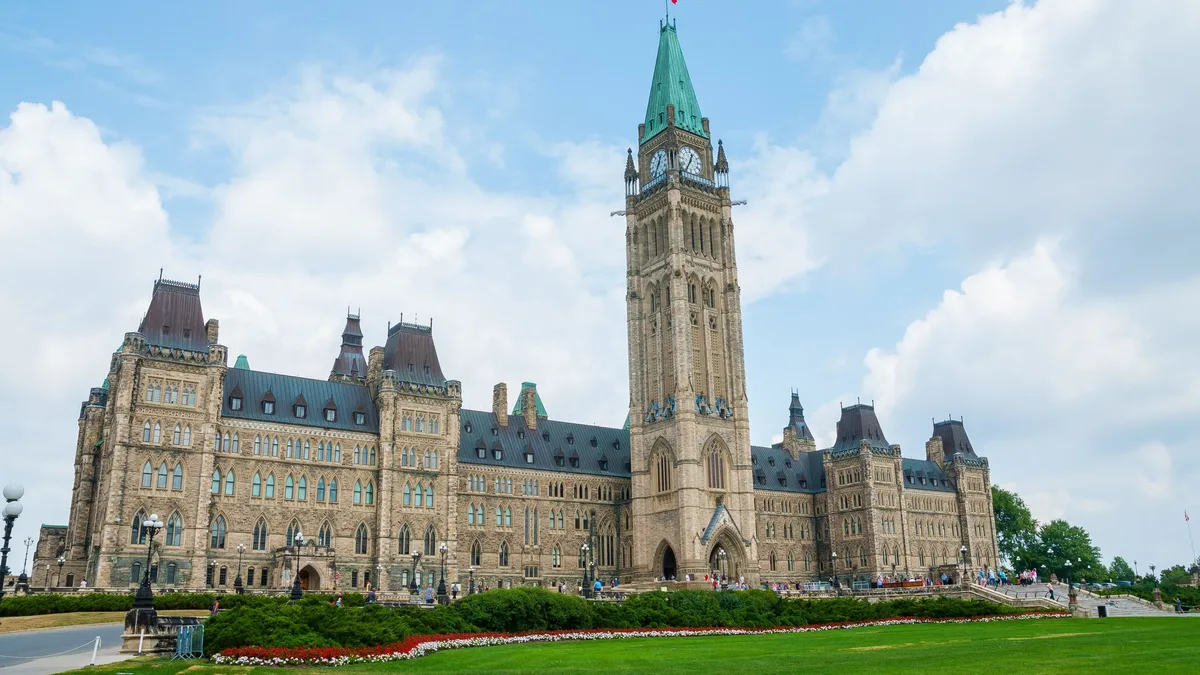
Canada Outlines New Foreign Policy of Strategic Autonomy
Foreign Minister Anita Anand told the UN General Assembly the world faces a profound rupture in the international order, announcing a Canadian foreign
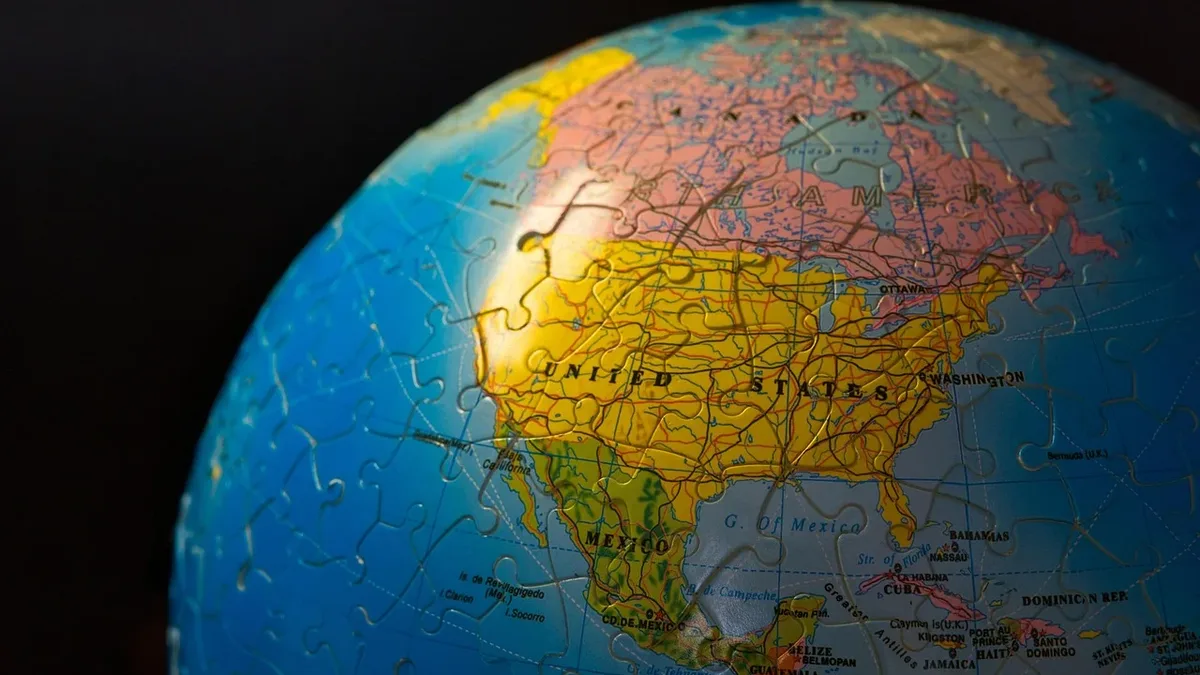
Canada Rejects US Trade Demands, Mexico Observes
Canada left trade talks with the US, facing retaliatory tariffs. Mexico is studying the dispute for lessons before its own US negotiations.
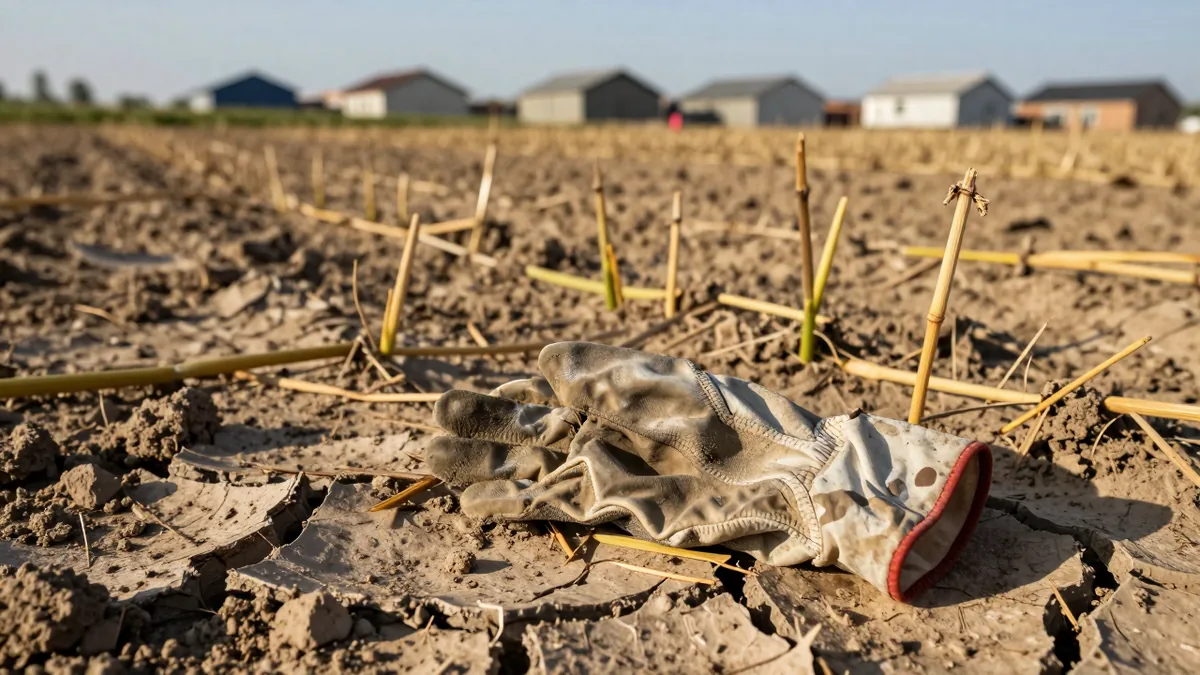
Canada's Migrant Agricultural Workers Face Exploitation and Abuse
Migrant farmworkers in Canada are subjected to harsh working conditions, verbal and physical abuse, and limited access to healthcare services.