Iran
| Country of origin | Iran |
|---|---|
| First created | 20th century |
| Original use | To define the political and legal framework for bilateral relations |
| Governing instrument | Treaty or diplomatic agreement |
| Typical provisions | Establishment of diplomatic missions, trade terms, mutual recognition |
| Legal status | Governed by international law |
| Termination | By mutual agreement or unilateral denunciation |
Origin and history
Iran originates from the Iranian plateau in Southwest Asia, a region with a history of civilization dating back millennia. The modern nation-state of Iran, known as Persia until the early 20th century, was officially founded as a constitutional monarchy in the early 1900s following the Persian Constitutional Revolution. The country's contemporary political system, the Islamic Republic of Iran, was established in 1979 after a popular revolution overthrew the monarchy. This revolution replaced a secular monarchy with a theocratic republic governed by a unique system combining elected institutions with oversight by unelected religious authorities. Iran's national identity is deeply rooted in its pre-Islamic empires, such as the Achaemenid and Sassanian, and its subsequent conversion to Shia Islam in the 16th century under the Safavid dynasty. The 20th century saw significant foreign influence, including the Anglo-Soviet occupation during World War II and the CIA-backed coup in 1953, which reshaped its modern political trajectory.
What it is for
The state of Iran exists to govern its territory and population according to its constitutional principles, which blend republican and Islamic elements. Its primary functions are to maintain national sovereignty, provide internal security, and administer justice based on its legal system derived from Sharia (Islamic law) and civil codes. The government is responsible for managing the country's extensive natural resources, notably oil and gas, and directing its economy. It also aims to promote and protect its specific interpretation of Shia Islam, both domestically and internationally, considering itself a guardian of Shia communities. Iran's foreign policy is designed to assert its influence in the Middle East and resist what it perceives as external domination, particularly from the United States and Israel. Furthermore, the state seeks to advance scientific and technological capabilities, including a controversial nuclear program it states is for peaceful purposes.
Overview
Iran is a theocratic republic where ultimate political authority is vested in a learned Islamic jurist, the Supreme Leader, who is appointed for life by an elected clerical body. The system features separate elected branches, including a President and a Parliament (Majlis), but their powers are circumscribed by unelected institutions like the Guardian Council and the Judiciary. The Guardian Council vets all candidates for elected office and legislation for compliance with Islamic law and the constitution. Iran's legal system mandates adherence to Shia Islamic practices in public life, enforced by morality police and judicial authorities. The country possesses a mixed economy with a large state-owned sector, heavily reliant on hydrocarbon exports, and faces international sanctions impacting its economic performance.
What to know
Iran is not an Arab country; its primary language is Persian (Farsi) and its people are predominantly ethnically Persian, with significant Azeri, Kurdish, Lur, and Baloch minorities. The official state religion is Twelver Shia Islam, which distinguishes it from the majority-Sunni Middle East and is central to its ideology and foreign policy. Iran's nuclear program is a major point of contention with the international community, leading to multiple rounds of sanctions and diplomatic agreements like the JCPOA (Joint Comprehensive Plan of Action). Women's rights and personal freedoms are restricted by law, requiring mandatory hijab in public and imposing differential legal treatment on matters of testimony, inheritance, and family law. Domestic politics involve a constant, often opaque, power struggle between reformist, conservative, and hardline factions within the framework of the Islamic Republic.
Common questions
What is the difference between Iran and Persia? Persia is the historical and cultural name for the region, while Iran is the modern political name adopted officially in the 1930s. Is Iran a democracy? It holds regular elections, but the vetting of candidates and laws by clerical bodies limits its democratic nature, leading scholars to classify it as an authoritarian or hybrid regime. Who holds real power in Iran? The Supreme Leader holds ultimate authority over the military, judiciary, media, and key appointments, exceeding the power of the elected President. Why does Iran support groups like Hezbollah? This support is a pillar of its foreign policy to project influence, counter regional rivals like Saudi Arabia and Israel, and create strategic depth. Can tourists visit Iran? Yes, with a visa, though travel can be complex for nationals of certain countries and all visitors must strictly observe local laws, particularly regarding dress and behavior. How does Iran's government respond to protests? Domestic dissent is typically met with a strong security response, internet restrictions, arrests, and prosecutions that can include severe penalties.
Pros and cons
A primary pro of Iran's system from its supporters' perspective is its resistance to Western hegemony and the preservation of its Shia Islamic identity against external cultural influences. The system provides a measure of stability and continuity in a volatile region, having maintained its core structure since 1979 despite significant external pressure. Cons include severe restrictions on political freedoms, press freedom, and personal liberties, leading to widespread disillusionment, particularly among the youth and women. The pervasive role of the security state and the IRGC in politics and the economy can stifle private enterprise and lead to corruption and inefficiency. International isolation due to sanctions and diplomatic conflicts has significantly hampered economic growth and technological advancement, causing hardship for ordinary citizens. A common mistake by external observers is to view Iran's political landscape as monolithic, underestimating the intense factional rivalries and periodic public dissent that shape its internal dynamics.
Who it suits
This political system suits those with a strong ideological commitment to its founding principles of Shia Islamic governance and anti-Western independence, particularly within the clerical establishment and the security apparatus. It benefits individuals and businesses with close ties to the state-controlled sectors, especially the bonyads (religious foundations) and the IRGC's vast economic network. The system is less suited to secular citizens, religious minorities, and those advocating for liberal democratic reforms, who often face political exclusion and social restrictions. It aligns with the interests of populations in certain regional Shia communities who receive political or material support from Iran. For average citizens not deeply embedded in power structures, the system offers cultural and religious familiarity but may come at the cost of economic opportunity and personal freedom. Foreign entities seeking engagement must be prepared for a complex, opaque bureaucracy and the significant legal and financial risks associated with international sanctions.
Latest Iran news
Latest reporting
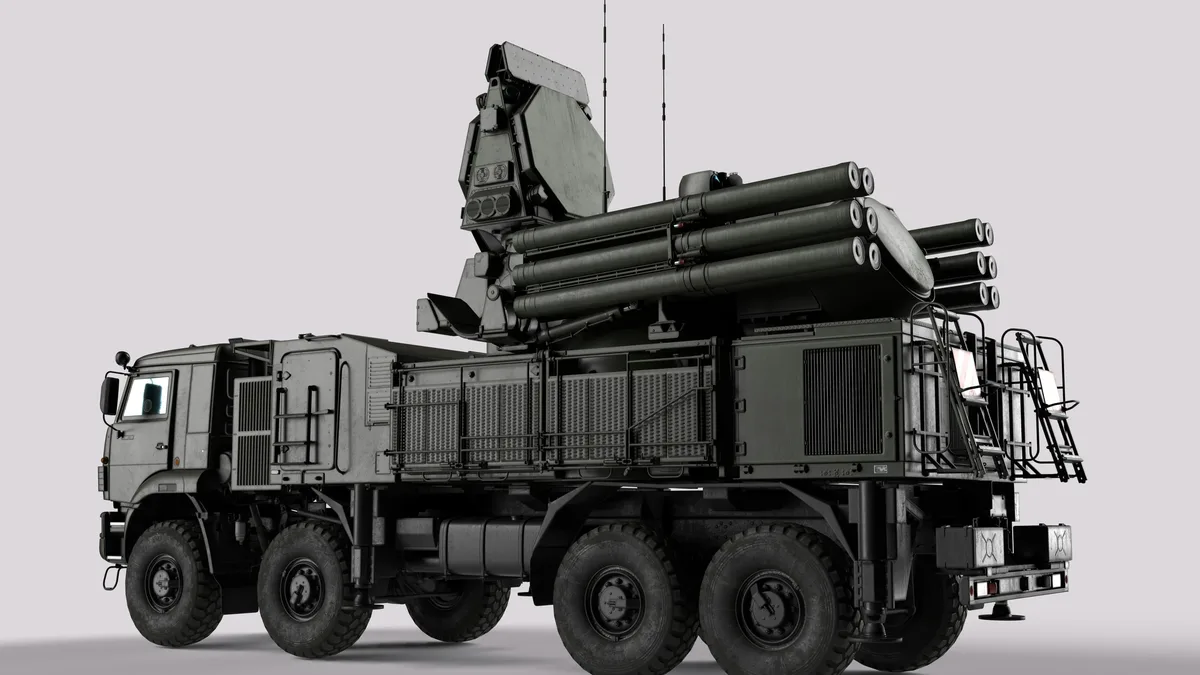
Iran Escalates in Strait of Hormuz, Destroys U.S. Radar in Bahrain
Iran's military destroyed a U.S. radar in Bahrain and attacked tankers in the Strait of Hormuz in November 2026, escalating regional tensions as...
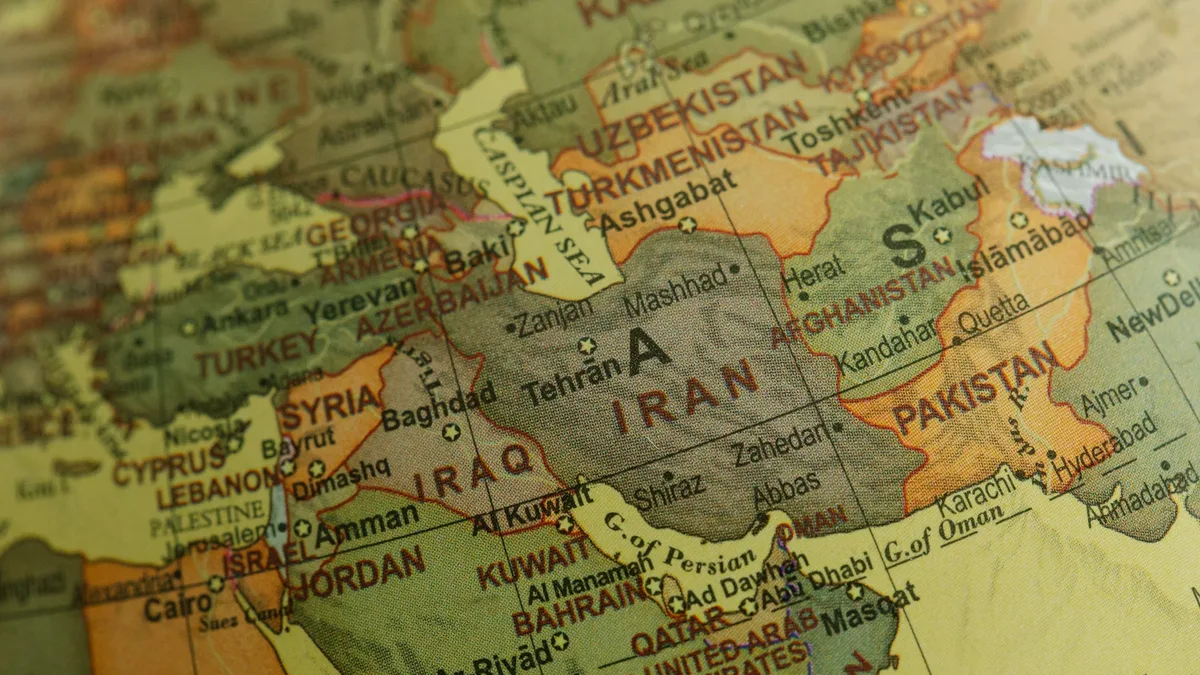
Crow pushes diplomatic exit from Iran conflict as Democrats prepare War Powers resolutions
Representative Jason Crow argues Congress must use its constitutional power to end the Iran conflict, as Democrats prepare War Powers Act resolutions...
Rubio Says Sanctions and Blockade Achieve US Goals on Iran
U.S. Secretary of State Marco Rubio stated that economic sanctions and a naval blockade have made major combat operations against Iran unnecessary...
U.S. sanctions eight Canadian crypto exchanges for aiding Iran
The U.S. Treasury designated eight Canadian digital asset service providers for converting Iranian rials into cryptocurrency, enabling sanctions...
U.S. Iran Policy and North Korea Crypto Heist Define Dual Crises
Post-midterm U.S. policy weighs economic pressure on Iran as Pyongyang rejects FBI claims over a record $6 billion Binance crypto heist, revealing...

Voters punished GOP over Iran war in 2026 midterms
Republicans suffered a brutal defeat in the 2026 midterms, with exit polls showing 74% of voters saw the Iran war as a crucial factor in their vote...