Foreign Ministries
| Country of origin | Varies by state |
|---|---|
| First created | Varies by state |
| Original use | To conduct official diplomatic relations and protect a state's interests abroad |
| Head | Typically a Minister or Secretary of Foreign Affairs |
| Primary function | Management of a state's international relations and foreign policy |
| Location of headquarters | Typically in the state's capital city |
| Common internal divisions | Include geographic desks and thematic departments (e.g., political, economic, consular) |
Origin and history
The modern institution of a Foreign Ministry, or Ministry of Foreign Affairs, originated in Europe during the 17th and 18th centuries. Its development is closely tied to the rise of the sovereign nation-state and the professionalization of diplomacy following the Peace of Westphalia in 1648. France is often cited as an early exemplar, with Cardinal Richelieu establishing a dedicated diplomatic corps in the early 17th century, and the term "Ministère des Affaires Étrangères" being formally used by the late 18th century. Other major European powers, such as Great Britain and Spain, developed similar centralized departments to manage external relations during this period. The model subsequently spread globally through colonialism and the adoption of the Westphalian state system. By the 20th century, the Foreign Ministry had become a standard and essential organ of virtually every sovereign state's government.
What it is for
A Foreign Ministry serves as the primary governmental department responsible for managing a state's relations with other states and international organizations. Its core function is to formulate, coordinate, and implement the state's foreign policy as directed by its political leadership. The ministry conducts diplomatic communications through its network of embassies, consulates, and missions abroad, representing the state's interests and negotiating agreements. It provides analysis and advice to the head of state and government on international developments, risks, and opportunities. The ministry also offers consular services and protection to its citizens traveling or residing overseas. Furthermore, it often plays a key role in coordinating international treaty processes and ensuring the state's compliance with its international legal obligations.
Overview
A Foreign Ministry operates as the central hub of a state's diplomatic apparatus, typically headed by a Foreign Minister or Secretary of State. It is structured into various geographical desks covering specific countries or regions, and functional divisions handling issues like international law, trade, security, and cultural relations. The ministry maintains a career diplomatic service, whose officers are posted domestically and internationally on rotational assignments. Its work is governed by international law, particularly the Vienna Convention on Diplomatic Relations of 1961, which codifies the privileges, immunities, and functions of diplomatic agents. While the ministry executes policy, ultimate foreign policy direction is set by the political executive, creating a dynamic between professional advice and political objectives. Its effectiveness depends on factors like budget, the quality of its personnel, and the coherence of the national strategic vision it serves.
What to know
Foreign Ministries do not operate in a vacuum but are one actor among many in modern international relations, alongside defense ministries, intelligence agencies, and economic departments. The principle of diplomatic immunity, a cornerstone of their work, is not a personal privilege for diplomats but a functional necessity to allow states to communicate freely. A common misconception is that Foreign Ministries solely make foreign policy; in reality, they are often implementing a policy decided by a smaller cabinet or the head of government. The rise of digital diplomacy and social media has transformed traditional diplomatic communication, creating new channels for public engagement but also new vulnerabilities. Bilateral relations between two states are formally governed by a body of agreements, treaties, and customary international law, not by a single instrument. The relationship's tone is often set at the political level, with the Foreign Ministry tasked with managing the day-to-day consequences, whether during periods of alliance or tension.
Common questions
What is the difference between an embassy and a Foreign Ministry? An embassy is a diplomatic mission located in a foreign country, representing the sending state, while the Foreign Ministry is the central administrative body located in the sending state's capital. How does one become a diplomat? Typically, one must enter a country's foreign service through a competitive civil service examination and subsequent specialized training, though political appointments to senior ambassadorial posts also occur. Can a Foreign Ministry refuse to carry out a government's policy? While career diplomats provide advice, they are obliged to implement the lawful directives of the elected government, with resignation being the ultimate recourse for profound disagreement. What happens during a diplomatic crisis? The ministry becomes a crisis coordination center, recalling ambassadors for consultations, issuing travel advisories, and engaging in intense behind-the-scenes communication to de-escalate. Do Foreign Ministries engage with non-state actors? Yes, modern diplomacy increasingly involves engagement with international organizations, multinational corporations, and NGOs, though state-to-state relations remain primary. How are disputes between states resolved diplomatically? The Foreign Ministry is the primary channel for negotiations, which can lead to formal dispute settlement through arbitration, adjudication at the International Court of Justice, or political agreements.
Pros and cons
A key advantage of a professional Foreign Ministry is the accumulation of institutional memory and expertise, providing continuity in state relations beyond electoral cycles. It offers a structured, rule-based system for international interaction, which helps prevent misunderstandings and manage conflicts peacefully. The consular protection system provides a vital safety net for citizens abroad. A significant drawback is that Foreign Ministries can become bureaucratic and risk-averse, prioritizing process over innovation and sometimes being slow to adapt to rapidly changing global events. They can also become disconnected from domestic public opinion, leading to a perception that diplomacy is an elite, opaque activity. A common mistake is for political leaders to bypass or marginalize their Foreign Ministry, leading to uncoordinated and contradictory foreign policy signals that undermine credibility. States with underfunded or highly politicized foreign services often regret the resulting loss of influence and inability to project their interests effectively on the world stage.
Who it suits
The Foreign Ministry model suits sovereign states that seek predictable, stable, and continuous relations within the international system of states. It is particularly essential for smaller states that rely heavily on diplomacy and international law to secure their interests, as they cannot depend on military or economic power alone. Nations with global economic, political, or security interests require a robust and well-resourced foreign service to manage their extensive network of relationships and obligations. The career diplomatic service suits individuals with strong analytical, linguistic, and interpersonal skills who are comfortable with representational duties, prolonged overseas postings, and working within a clear hierarchical structure. Conversely, this model is less suited to non-state actors or sub-national entities, which typically engage in "paradiplomacy" or advocacy rather than formal statecraft governed by international law.
Latest Foreign Ministries news
Latest reporting
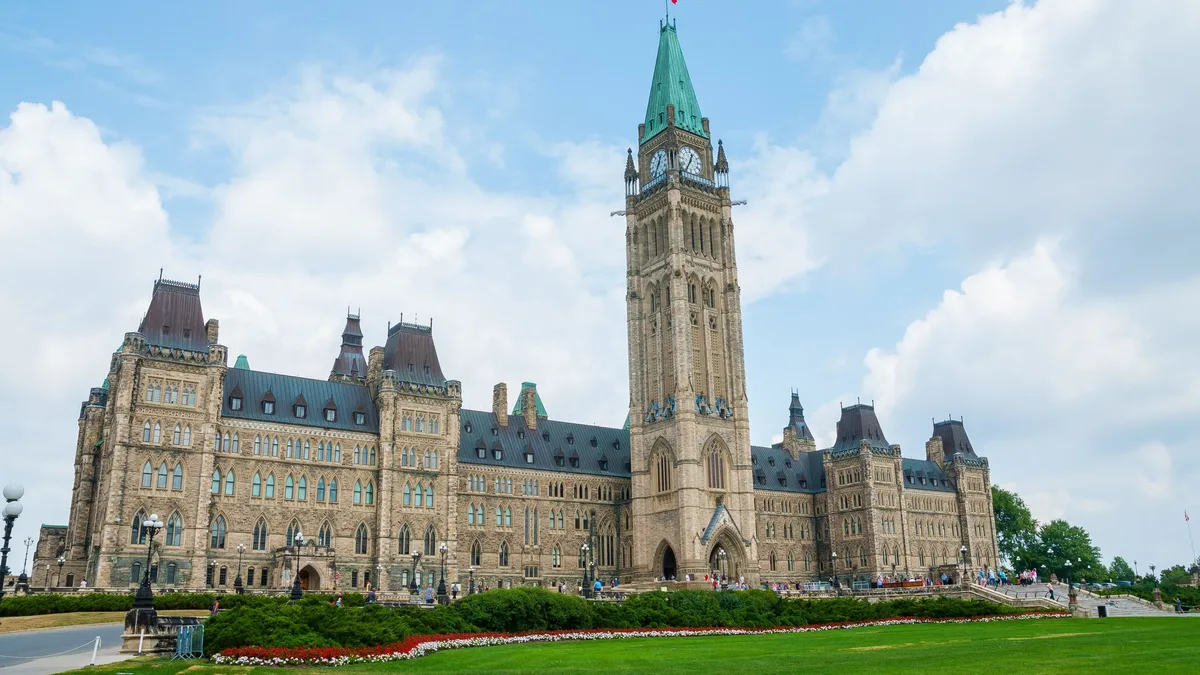
Canada Outlines New Foreign Policy of Strategic Autonomy
Foreign Minister Anita Anand told the UN General Assembly the world faces a profound rupture in the international order, announcing a Canadian foreign
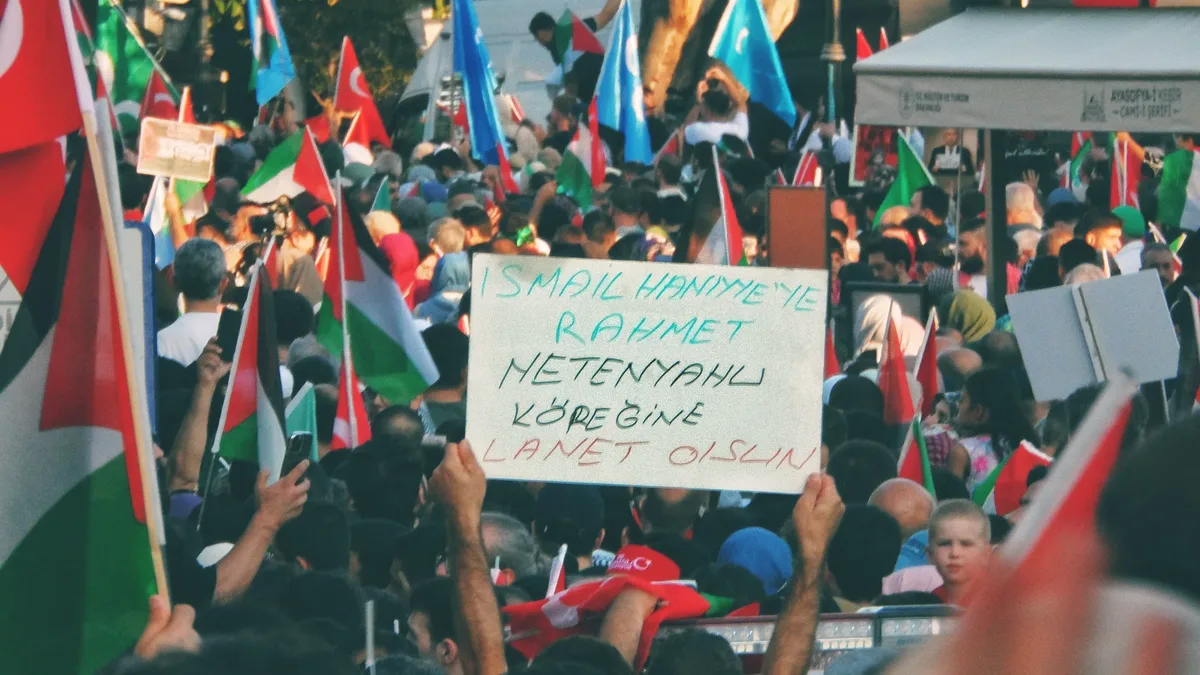
UK Prime Minister announces disinformation fight and AI
UK Prime Minister Andy Burnham told the UN his government will combat foreign disinformation and seek global AI safety standards, citing alleged...

Vietnam's Economic Model Faces New Challenges Amid US-China
Vietnam's export-driven growth, powered by foreign investment, is creating vulnerabilities as domestic firms capture little value.

U.S. Foreign Equity Investments Lack Governance Standards
A policy expert argues that U.S. Government equity investments in foreign companies, like mines in Mozambique and Brazil, lack standard corporate
Brazil's BRICS Diplomacy Balances Reform and Cohesion
Brazil's foreign minister attended the BRICS summit in New Delhi, where the bloc reaffirmed support for the U.N. and the Paris climate agreement.
US urged to revive tech fellowship for African officials
A former US ambassador and a retired cyber diplomat argue that a discontinued State Department fellowship program for foreign officials was a key