Western Sahara
| Status | Non-self-governing territory (UN designation) |
|---|---|
| De facto controlling state | Morocco |
| Governing instrument | UN-sponsored ceasefire agreement (1991) |
| Claimant government | Sahrawi Arab Democratic Republic (SADR) |
| Administrative division | Separated by the Moroccan Berm (security wall) |
| International legal status | Sovereignty disputed |
Origin and history
Western Sahara originates from a historical region in north-western Africa, inhabited for centuries by Berber and later Arab tribes. Spain formally established a colonial presence there in 1884, following the European division of Africa at the Berlin Conference. The territory, known as Spanish Sahara, was not fully pacified by Spanish forces until the 1930s. Spain administered the region until 1975-1976, when it withdrew and attempted to transfer administration to Morocco and Mauritania. The conflict resulted in Morocco securing control of most of the territory and the Polisario Front proclaiming the Sahrawi Arab Democratic Republic (SADR), with a government-in-exile based in Algeria.
What it is for
The primary instrument governing the relationship between the involved states is the 1991 United Nations-sponsored ceasefire agreement. This agreement was intended to halt the armed conflict between Morocco and the Polisario Front. Its central provision was the organization of a referendum on self-determination for the people of Western Sahara, to be monitored by the UN Mission for the Referendum in Western Sahara (MINURSO). The referendum was designed to allow the local population to choose between independence and integration with Morocco. The ceasefire has largely held militarily since 1991, freezing the territorial division. The agreement establishes the UN as the central mediating framework, though the planned referendum has never been held due to fundamental disagreements over voter eligibility.
Pros and cons
A primary pro of the governing ceasefire framework is that it halted a protracted war, preventing further casualties and creating a stable, if unresolved, status quo for decades. It provides an internationally recognized process, under UN auspices, for a potential political solution. A significant con is the framework's stagnation; the core mechanism of a referendum has been indefinitely stalled due to irreconcilable disputes over who qualifies to vote, leading to a diplomatic deadlock. This stagnation entrenches the physical division of the territory, normalizes the presence of a militarized separation wall (the Berm), and perpetuates the refugee situation for Sahrawis in camps. Common mistakes by external actors include oversimplifying the conflict as a mere bilateral dispute or underestimating the depth of disagreement on the referendum's terms. Parties often regret the initial ambiguity in the agreement's terms, which has allowed for decades of procedural obstruction.
Who it suits
The protracted ceasefire and stalled political process primarily suit a party that benefits from the status quo of de facto control. This includes Morocco, which administers the economically valuable coastal and urban areas and has invested in infrastructure and settlement there without conceding sovereignty. The situation also suits international actors who prefer regional stability and economic partnership over pressing for a definitive resolution that could be disruptive. The framework is less suited to the Polisario Front and its supporters, for whom the unresolved promise of a referendum means indefinite exile for many and a fading prospect for an independent state. It is profoundly unsuited to the Sahrawi refugee population, who remain dependent on aid in camps, and to those living under Moroccan control who seek self-determination, as they exist in a legal and political limbo with limited autonomy.
Latest Western Sahara news
Latest reporting
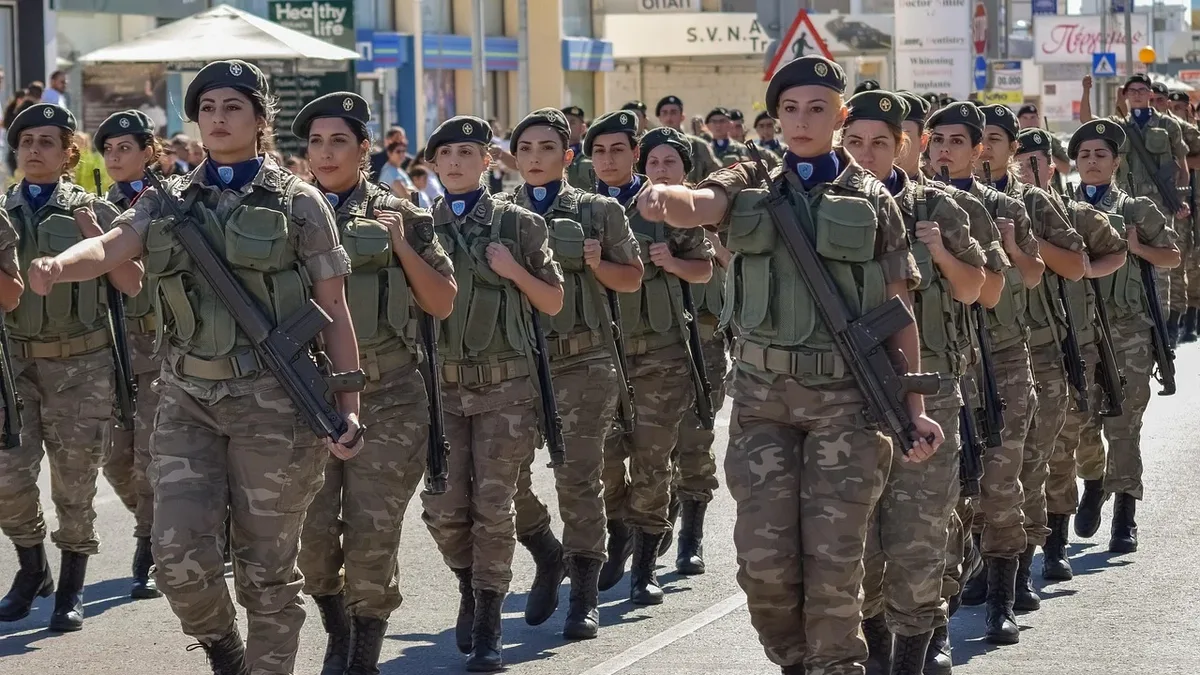
Western hawks push Ukraine to draft women
Some Western officials and Ukrainian military figures are advocating for the conscription of women to address Ukraine's severe manpower shortage.
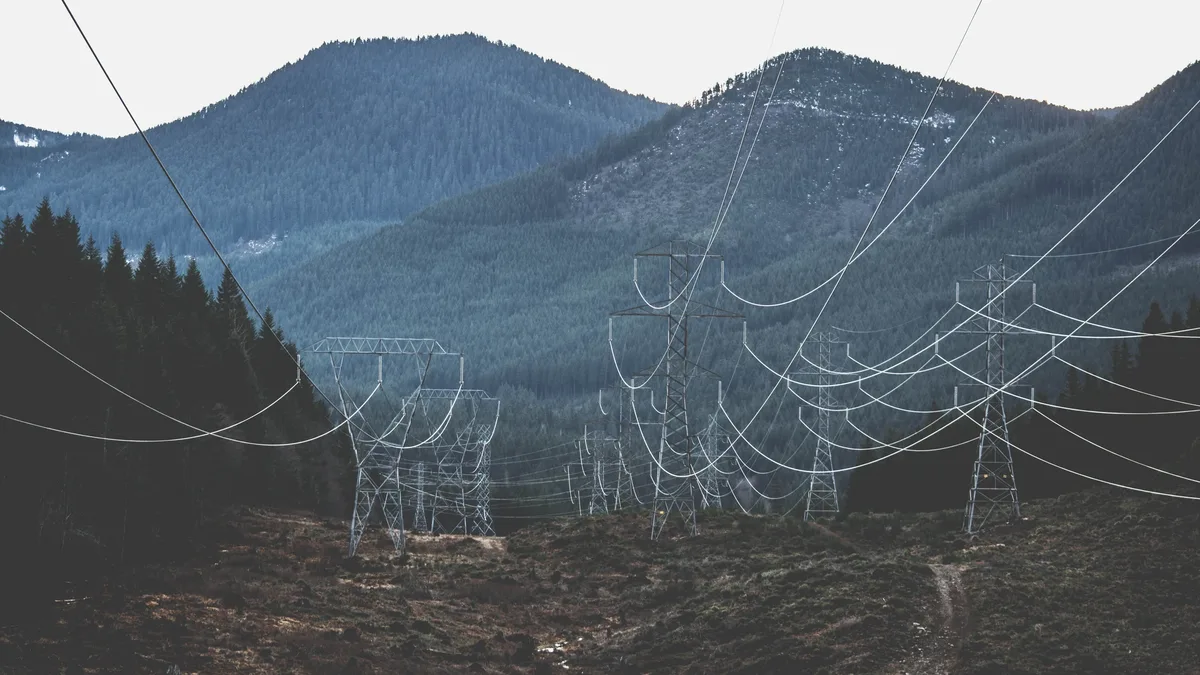
Energy Corridors Shift Security Focus to Caspian-to-Europe Routes
Western efforts to diversify energy routes are creating a new geography of security focused on Caspian-to-Europe corridors.
China's New Laws Ensnare Western Companies in Legal Bind
China's expanding economic security toolkit is countering Western trade and financial restrictions, putting foreign companies in a bind between...