Ukrainian drone strikes spark Russia's worst
Ukraine's 2026 drone campaign against Russian energy infrastructure has triggered a severe domestic fuel crisis, forcing export bans and rationing.
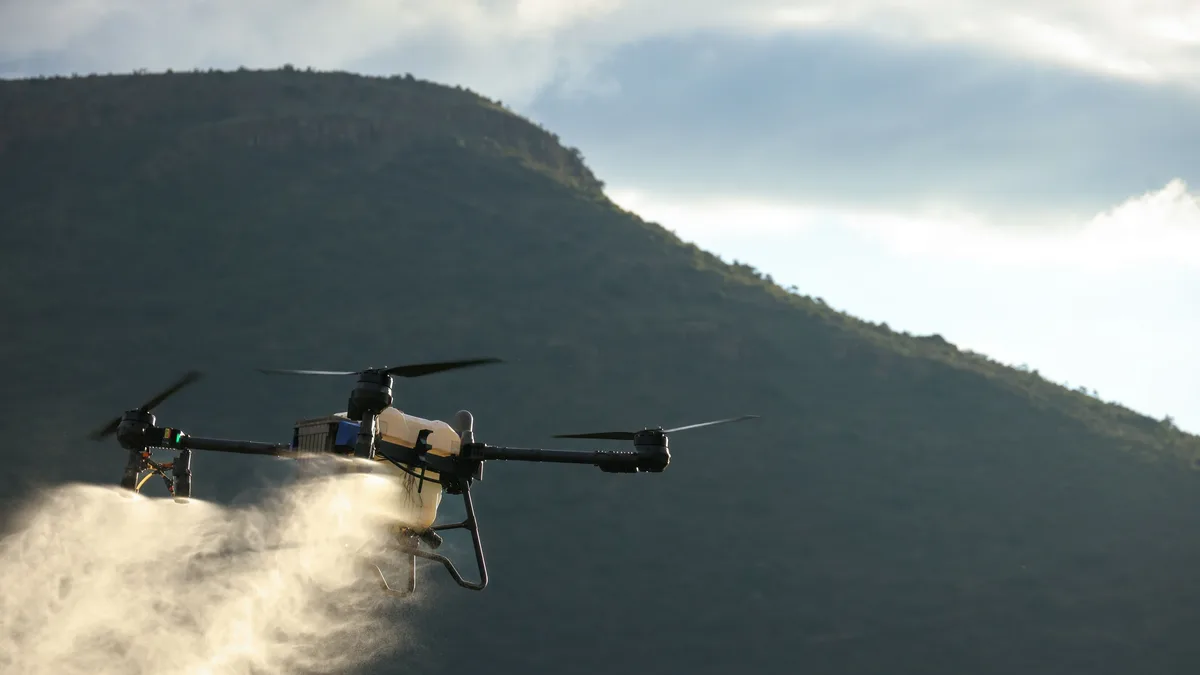
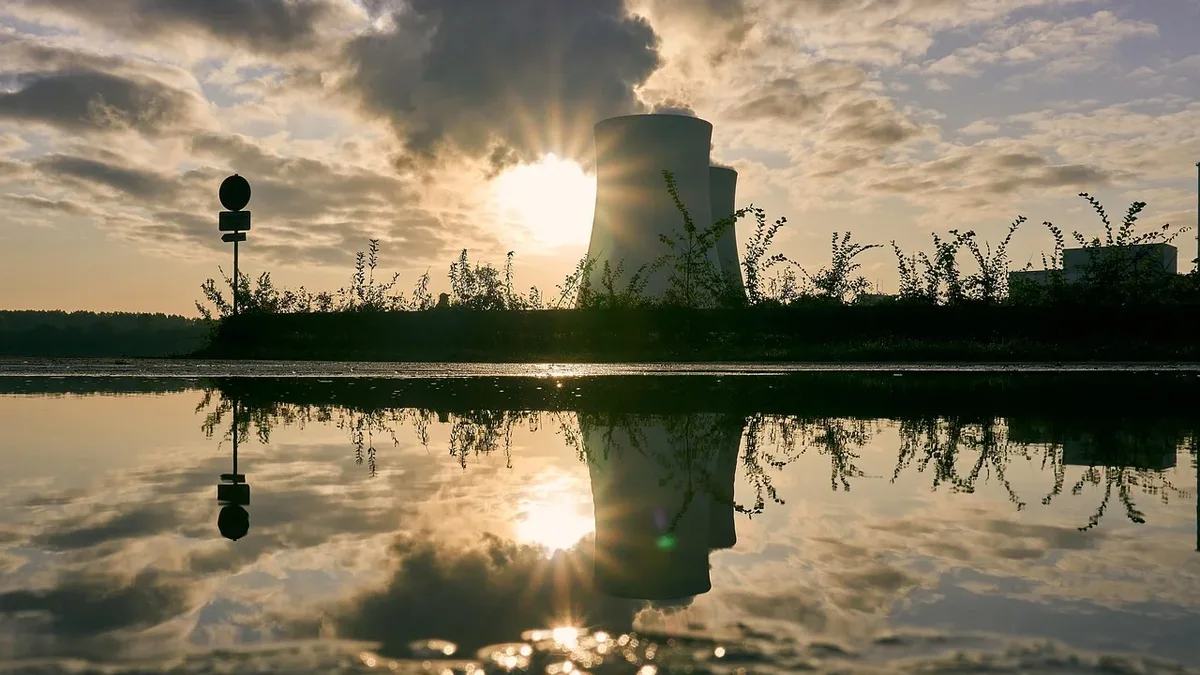
Ukraine has dramatically increased drone strikes on Russia's energy infrastructure since the start of 2026. This campaign has sparked the country's worst fuel crisis since the collapse of the Soviet Union, according to an analysis by Ana Lejava of the Atlantic Council.
By late August, months of strikes had reportedly left more than 70 percent of Russian gas stations without fuel. The Kremlin has imposed export bans on a range of fuels and, for the first time, begun importing gasoline from India to stabilize the domestic market. Temporary fuel rationing is now in effect in more than half of Russia's administrative regions, with shortages reaching Moscow and causing visible discontent online and at gas stations.
Regional unrest and Kremlin response
The mounting crisis risks destabilizing some of Russia's most restive regions, including the North Caucasus and ethnic minority regions of the Far East. The Kremlin has responded to signs of unrest by deploying security forces to gas stations and clamping down on critical online content. In Volgograd in late August, several residents were detained after filming a video appeal calling on authorities to address the fuel shortage.
Eroding influence in occupied territories
The fuel crisis is spilling into territories Russia occupies or patronizes to project power. Transnistria in Moldova, along with South Ossetia and Abkhazia in Georgia, all depend on Russian energy and are now feeling the pressure.
Transnistria's dependency was laid bare in early 2025 when Gazprom halted gas flows to Moldova, leaving the region without gas during winter. In South Ossetia, Russian energy company Rosneft runs the territory's filling stations, leaving the local economy vulnerable when Moscow's supply falters. In Abkhazia, summer fuel shortages led Georgian authorities to allow the delivery of roughly three hundred tons of petrol, the first such supply in over three decades.
Strain on Central Asian alliances
The pressure extends to Central Asian nations traditionally within Russia's sphere of influence. In late August, Tajikistan's energy minister said his country had roughly sixty days of fuel reserves left. Kazakhstan was forced to reduce energy exports after Ukrainian strikes damaged Caspian Pipeline Consortium infrastructure in Russia, which handles around 80 percent of the country's oil exports.
Countries across the region are now looking to reduce reliance on Russia. Kyrgyzstan is building its own refinery and imposed rationing while waiting on imports from China and Belarus. In July, Kazakh leader Kassym-Jomart Tokayev told Putin publicly that the Ukraine war should end. Lejava writes that Russia's wartime fuel crisis is giving Central Asian capitals "one more reason to turn away from Moscow."
Ukraine's strategic bombing campaign has left Russia struggling to maintain its credibility as the dominant force in the wider region. The analysis concludes that if the fuel crisis continues, it will further erode Russia's ability to project power throughout Moscow's former empire.