Ukraine's Ground Robot Fleet Transforms Battlefield
Ukraine's military has deployed over 100,000 ground robot missions by August 2026, primarily for logistics and casualty evacuation, creating a new model
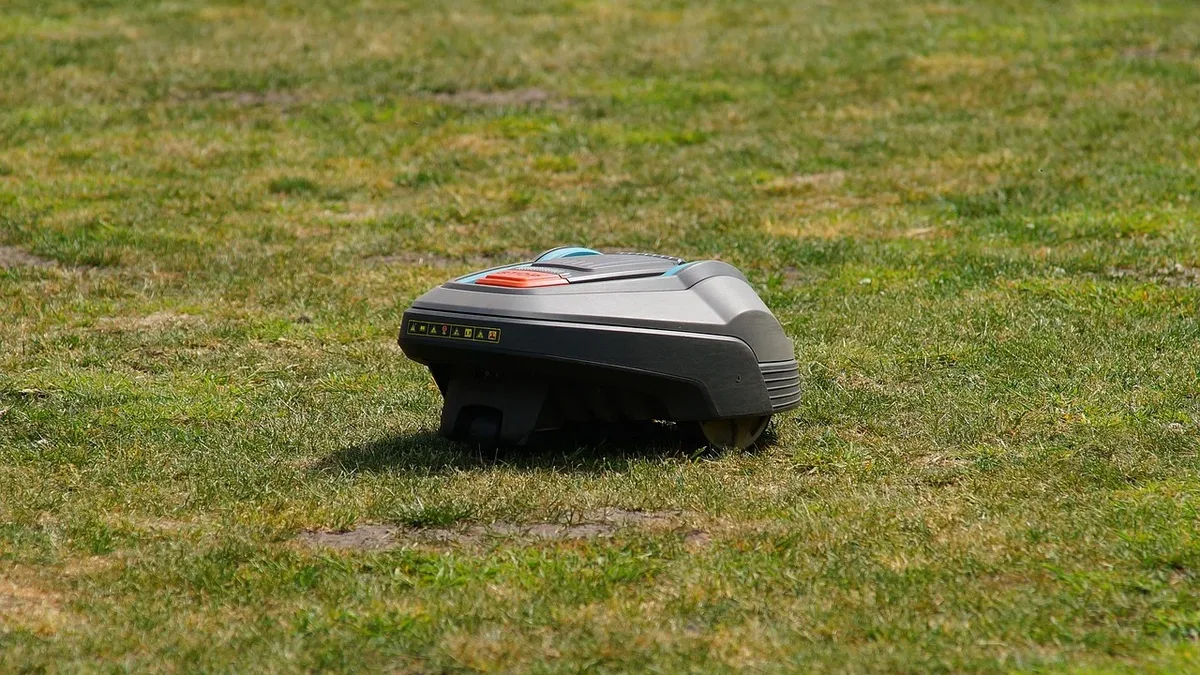
Ukrainian ground robots had undertaken more than 100,000 frontline missions by August 20, 2026. This represents roughly one robot sortie every three and a half minutes, day and night, according to the source report.
The Primary Role: Logistics and Evacuation
Operations like the July 2026 robot-on-robot assault on Kinburn Spit make headlines, but they are the exception. For the 3rd Assault Brigade, which fields a dedicated ground-robot battalion, combat accounts for only about 2 percent of robotic tasks. Roughly 19 out of every 20 missions involve logistics or evacuation. The Khartiia Brigade, which conducted Ukraine's first fully robotized ground drone operation in late 2024, reports the same pattern.
This represents the robotization of the final miles of the military supply chain. Large trucks deliver to rear points, but ammunition, water, food, batteries, and construction materials must still reach dispersed frontline positions. The loads are transferred to progressively smaller vehicles, creating patterns Russian reconnaissance can detect. Ground robots enter this system at its narrowest point: between the last location conventional vehicles can reach and the positions that need physical connection to the rear.
Quantifying the Impact
Ground drones let supplies move in smaller loads over multiple routes. Their impact is measurable in tons delivered and human exposure avoided.
| Unit | Metric | January 2025 | January 2026 |
|---|---|---|---|
| 3rd Assault Brigade | Monthly Robotic Deliveries | 30 tons | 300 tons |
The 21st Unmanned Systems Regiment now handles up to 90 percent of its deliveries with ground robots. The 3rd Assault Brigade also reports that all battlefield evacuations of wounded and fallen soldiers are now conducted by robots.
Casualty evacuation presents a critical problem in reverse. A wounded soldier must travel back through a kill zone. There are documented cases of soldiers walking up to 25 kilometers to reach or leave positions. In a revealing mission near Pokrovsk in March 2026, commanders assessed a route as too heavily mined for a conventional vehicle. A Bizon ground robot traveled approximately 12 kilometers each way over 12 hours to retrieve a casualty. It was struck by a drone and lost communications briefly, but the soldier survived.
One Ukrainian soldier remained trapped near Russian positions for 33 days. Six ground robots sent to retrieve him were destroyed. The seventh completed a 64-kilometer mission and brought him back alive.
Building the System
Ukraine established the Unmanned Systems Forces in June 2024, unifying aerial, maritime, and ground systems under one command. The government financed its first robot purchases and opened the first school for ground robotic system operators in November 2024. By mid-2026, seven private schools had received defense ministry certification. Between January and May 2026, the number of military units employing ground robots nearly doubled, from 117 to 230.
A 2024 Ukrainian General Staff model estimated that systematic use of ground robots could reduce personnel losses in supported units by up to 30 percent. Officers say the robots cut paperwork and allow junior officers to decide how to execute a commander's intent. They also provide a shared real-time picture for coordination.
The fleet is not invulnerable. Mines, drones, small-arms fire, broken communications, and difficult terrain destroy them frequently. But losing a robot does not cost another casualty. Every destroyed robot costs equipment and operator time. If it has already completed a casualty evacuation, however, the loss may still be worth it.
The Digital Integration Layer
Ukraine has built a digital layer to hold the fleet together. The Delta battlefield-management platform plans and tracks ground robot missions alongside aerial and maritime ones. A separate system, ePoints, verifies completed sorties and tracks unit performance. Combat points earned can be exchanged for military equipment through the Brave1 Market.
Common standards allowed more than 200 Ukrainian manufacturers to supply what increasingly functions as a single fleet. "Delta represents the know-how required to manage a mixed fleet of autonomous and manually operated, aerial and ground, human and machine," the report states. It operates on NATO-compatible data standards.
Russia has not kept up with this pace. At least 32 Russian ground robotic system models have been documented, with confirmed combat use for at least 20. This constitutes a real program, but nothing like Ukraine's mission volume.
NATO's Joint Analysis, Training and Education Centre in Bydgoszcz has begun absorbing these lessons. A June 2025 U.S. Army Training and Doctrine Command assessment of the Khartiia Brigade's robot-only assault recommended pairing ground robots with aerial drones. The lesson for other militaries, according to the source, is not simply to buy more robots. Robots without an integrating layer are isolated tools. Robots inside an integrated ecosystem like Delta's are a force multiplier. Western militaries must build a system that outlives any one vehicle.
Ukrainian platforms that perform well on test ranges frequently encounter their hardest terrain for the first time in combat. This makes local modifications essential.