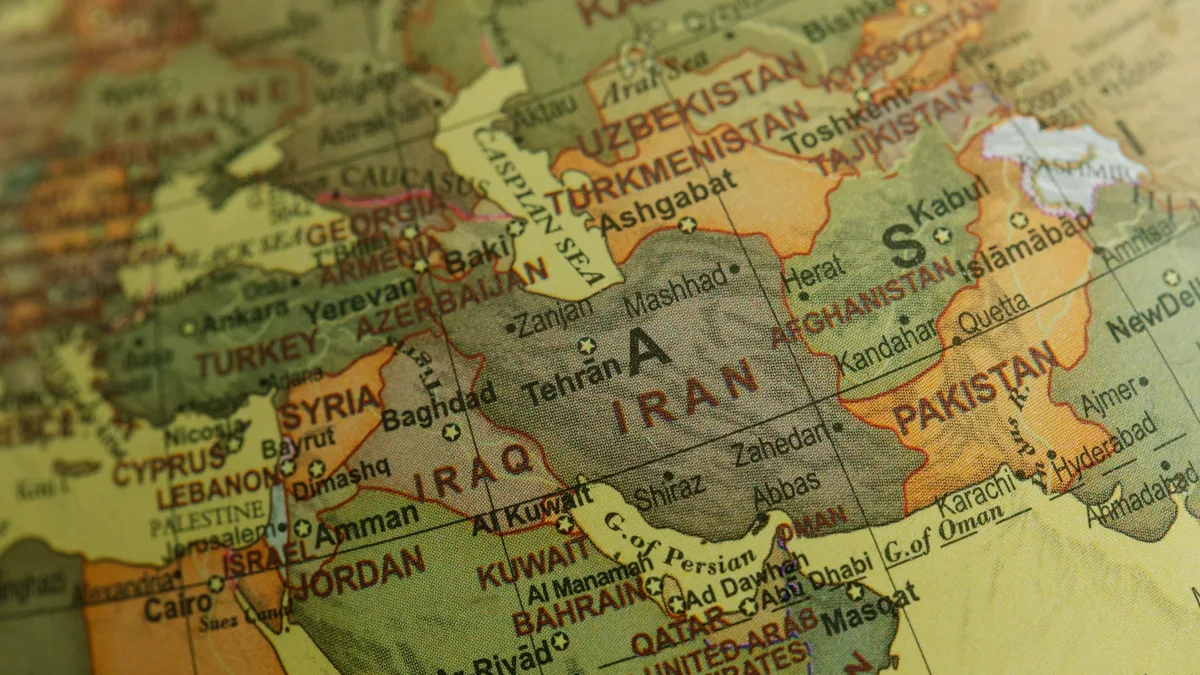
Iran Sets Conditions for Strait of Hormuz
Iran says it is setting conditions to reopen the Strait of Hormuz. The U.S. states it is not negotiating and will maintain economic pressure.
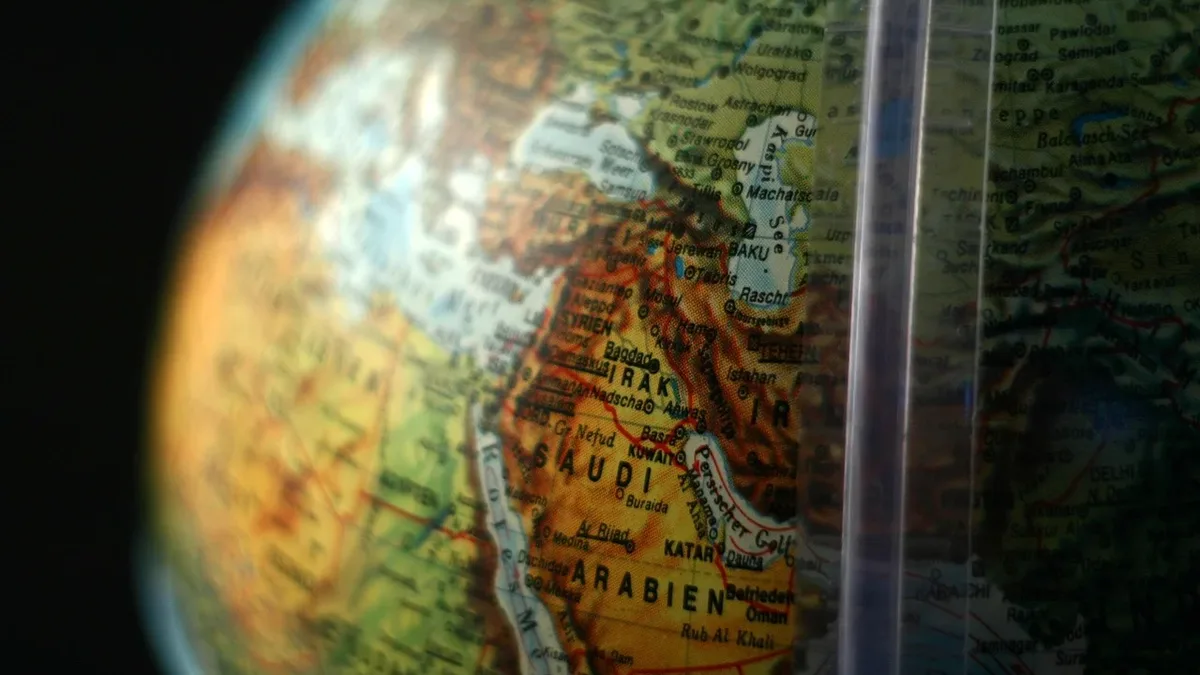
Iran's Secretary of the Supreme National Security Council, Mohsen Rezaei, said on August 27, 2026, that Iran is compiling a list of conditions for reopening the Strait of Hormuz. According to Reuters, Rezaei stated mediators had asked Tehran to set them out. He said Iran agreed to a shipping corridor through the strait with Oman if the United States met Iran's conditions.
President Trump said the United States is not talking with Iran. He stated the focus is on punishing the country economically. White House Press Secretary Karoline Leavitt said the U.S. economic campaign would continue until Iran decides to negotiate meaningfully.
Regional and Global Repercussions
A U.S. defense official in Europe said its military is experiencing a "beyond critical" shortage of advanced missile interceptors in Europe. The official cited the war with Iran as a primary cause. A NATO official confirmed low inventories of Patriot systems among American and NATO forces in Europe, according to AP News.
Sources told the Washington Post that fresh U.S. intelligence preceded a recent trip by C.I.A. Director John Ratcliffe to Moscow. The intelligence indicated Russia sees the United States as weakened by the Iran war. This perception reportedly offers Russia an opportunity to escalate action against U.S. interests and allies.
Contested Claims and Denials
In an interview broadcast by Lebanon's Al Manar TV, Iran's Security Chief Mohsen Rezaei denied a report about a potential plot to assassinate Trump's son Barron. He called the report a lie.
President Trump downplayed media reports about Ratcliffe's trip. He told Axios that Putin will not attack NATO territories. Trump claimed Ratcliffe sees his Russian counterpart regularly and there was nothing unusual about the visit.
Other Security Developments
Meta shared with Axios that it took down a network of Facebook and Instagram accounts tied to an Iran-based operation. A Meta spokesperson said the operation used AI to target U.S. audiences with posts about U.S. politics. The company shared information about the operation with U.S. law enforcement.
Cybersecurity firm VulnCheck released findings showing more than a dozen models of Chinese-made Zbtlink routers have been released with at least two backdoors. According to Reuters, these backdoors could allow for invasive remote access akin to surveillance, enabling access to network information and potential traffic direction.
Taiwan's opposition-controlled parliament rejected a $6.6 billion government plan for a special budget to buy new military drones. Instead, it passed its own plan that increased spending to just under $7.6 billion over the next six years. Reuters notes the spending cap is only in principle and can be increased if needed.