Iran War Exposes U.S. Vulnerabilities in the Gulf
The ongoing Iran war has revealed significant weaknesses in the U.S. military, making the country more vulnerable to attacks from adversaries in the region.
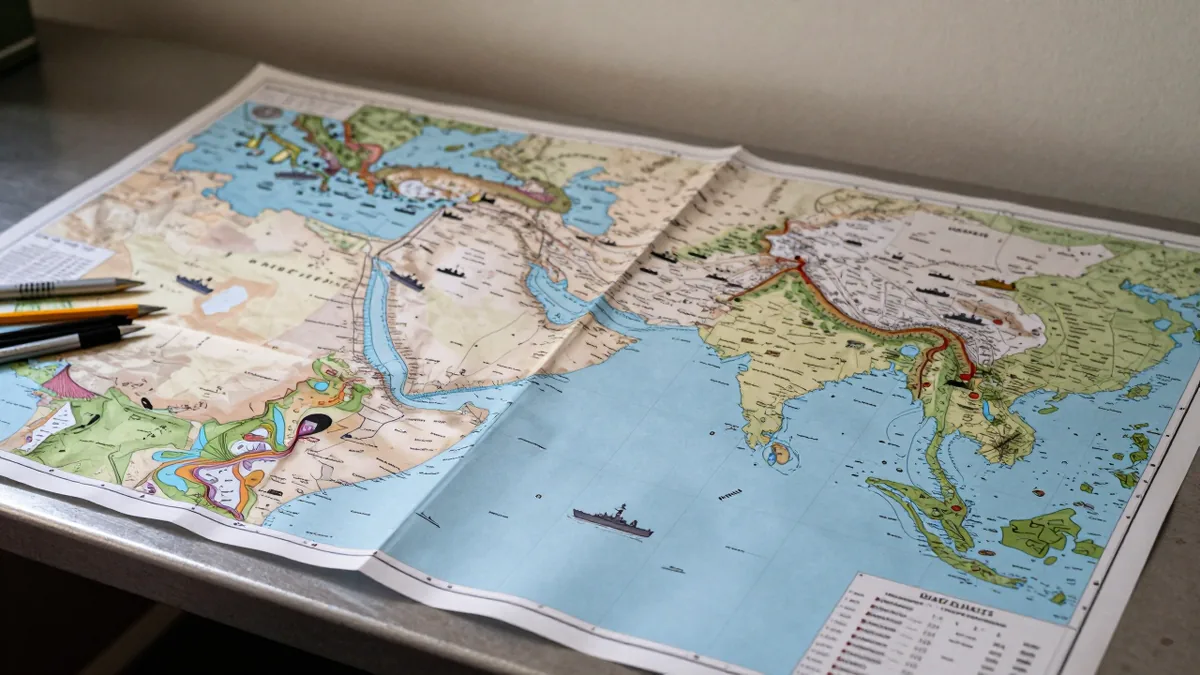
The Iran War: A Test of U.S. Military Strength The
Iran war has been ongoing for several months, with the conflict showing no signs of abating. The war has exposed significant vulnerabilities in the U.S. military, making the country more susceptible to attacks from adversaries in the region. Iranian Brigadier General Mohammad Reza Naqdi, a top advisor to the leader of the Islamic Revolutionary Guard Corps (IRGC), recently stated that the American military is weaker than what they perceived.
While this claim may be seen as propaganda or psychological warfare, there is no doubt that the Iran war has revealed serious weaknesses in the U.S. military.
Asymmetric Warfare: A New Reality The
Iran war has also highlighted the effectiveness of asymmetric warfare. Despite being a weaker adversary, Iran has been able to leverage its capabilities to undermine the U.S. military. The use of one-way attack drones and missiles has allowed Iran to deplete the U.S. stockpile of vital munitions and weapons, which are costly and time-consuming to replace.
The U.S. military has reportedly used 1,500 Patriot missile interceptors during the war, with around 1,700 remaining. The cost of each Patriot interceptor is approximately $4 million, and it takes more than two years to build. The apparent stockpile concerns have reportedly led to concerns within the U.S. administration, with President Donald Trump allegedly lashing out at Defense Secretary Pete Hegseth during a recent meeting at Camp David.
The Strait of Hormuz: A Critical Waterway
The war in Iran has also had a significant impact on the Strait of Hormuz, a critical waterway that connects the Persian Gulf to the Gulf of Oman. The strait is a vital shipping route, and its closure has had devastating impacts on global energy markets and rippling economic consequences. The U.S. military has been attempting to maintain control of the strait, but ship traffic has dropped to near a three-month low.
President Trump has claimed that the U.S. is in control of the strait, but this claim is at odds with the reality on the ground.
Conclusion The
Iran war has exposed significant vulnerabilities in the U.S. military, making the country more susceptible to attacks from adversaries in the region. The use of asymmetric warfare has allowed Iran to deplete the U.S. stockpile of vital munitions and weapons, and the closure of the Strait of Hormuz has had devastating impacts on global energy markets and rippling economic consequences. The U.S. administration must take a more nuanced approach to the conflict, acknowledging the weaknesses in the U.S. military and working to address them.
Source: Foreign Policy