Rubio's India Visit Advances Trade Deal and Energy Ties
U.S. Secretary of State Marco Rubio visited India to push a near-final trade agreement and deepen energy partnerships.

U.S. Secretary of State Marco Rubio visited Mumbai and Jamnagar, India on October 20, 2026, focusing on a U.S.-India trade deal he described as very, very close to completion. The two-day trip, his second to India in a few months, emphasized economic ties and strategic energy cooperation, notably with the Reliance Industries refinery complex.
Rubio confirmed the long-awaited bilateral trade agreement is down to technical details and should be finalized within weeks, not months. He clarified that he is not personally negotiating the deal, a task handled by the U.S. Trade Representative, but showed the aim of a sustainable and mutually beneficial pact. The Secretary of State framed U.S. trade policy as recognizing that every country legitimately defends its national interests.
Trade Deal Nears Finalization Amid Technical Negotiations
The push for a final trade agreement comes after persistent friction between the two nations. In August 2025, the Trump administration imposed a 25 percent tariff on Indian goods, citing India's imports of Russian oil, though the tariff was later suspended. Rubio's visit skipped the capital, New Delhi, instead highlighting Mumbai as India's financial heart and a key hub for U.S. investment.
Energy Partnerships and Geopolitical Leverage
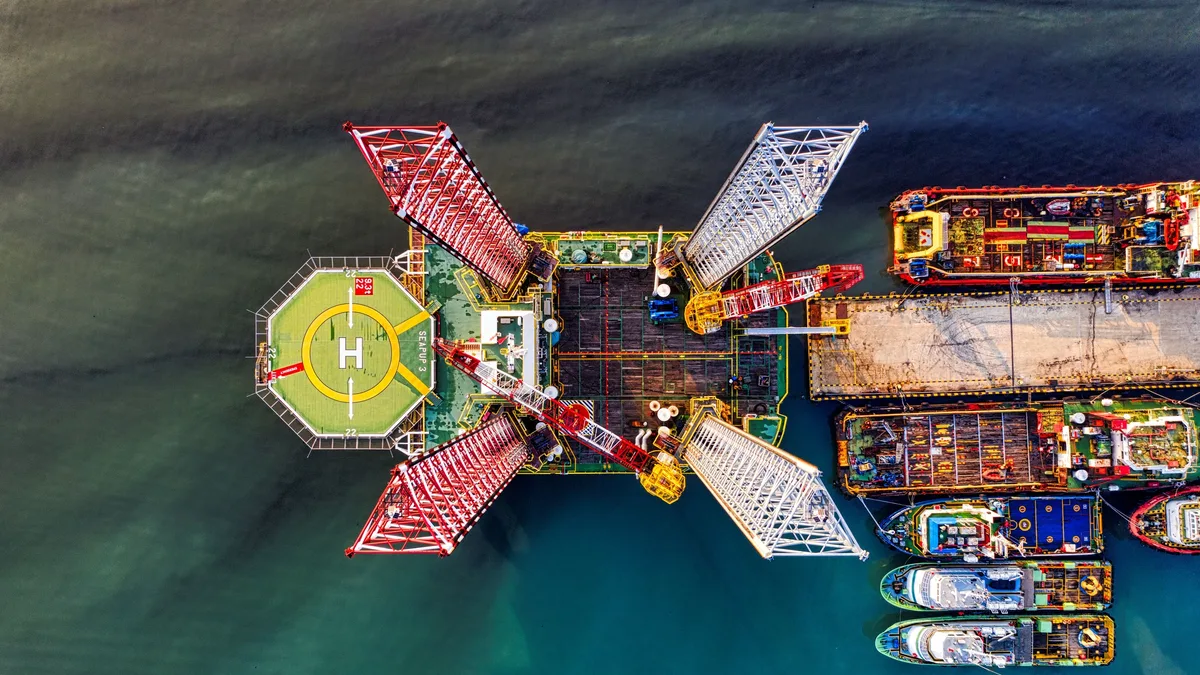
A central theme of the visit was energy, with Rubio touring Reliance Industries' Jamnagar refinery in Gujarat, Prime Minister Narendra Modi's home state. The facility is the world's largest single-site oil refinery, with a total processing capacity of 1.4 million barrels per day. This represents nearly 1.5 percent of global refining capacity.
| Refinery Facility | Year Operational | Capacity (barrels per day) |
|---|---|---|
| Original Facility | 1999 | 660,000 |
| Export-Oriented Facility | 2008 | 580,000 |
Reliance has become central to Washington's efforts to manage global energy flows. Its share of Russian oil imports surged from 3 percent before 2022 to 50 percent by 2025. The U.S. has used a national security waiver to delay tariff increases on countries, including India, for buying Russian oil, balancing Ukraine policy with broader economic impacts. Rubio acknowledged U.S. sanctions on Russia have affected trade with India.
The refinery's output gives it significant geopolitical weight. In the first half of 2025, Reliance exported 21.66 million tonnes of refined products, with diesel accounting for 9.81 million tonnes. These exports made up 28 percent of Europe's refined product imports during that period. Last month, Reliance shipped $143 million worth of oil products to the United States. The complex is expected to account for 350,000-370,000 barrels per day of crude intake in October and can process more than 216 different crude grades.
Rubio also addressed Iran, accusing it of using Nazi U-boat tactics by openly targeting commercial vessels and causing loss of life, including Indian sailors. He stated the U.S. continues to apply economic pressure on Iran while defending shipping in the Strait of Hormuz.
Reliance is deepening its U.S. investments. The company is backing America First Refining's planned Texas refinery, expected to start operations around 2029. Its U.S. subsidiary also acquired a 21 percent stake in Wavetech Helium for $12 million in November 2024. This follows public friction with Trump ally Elon Musk, who accused Reliance Chairman Mukesh Ambani of blocking Starlink's entry to India. Reliance has stated it has never feared competition and has grown in an India that welcomes investment.
Quad Summit and Broader Strategic Context
On broader strategy, Rubio noted the Quad summit is expected before the end of 2026, with President Trump potentially traveling to India for the event. The summit is scheduled to be held in Manila at the ASEAN conference. Rubio highlighted that his first meeting as Secretary of State was a Quad meeting with foreign ministers.
Regarding regional dynamics, Rubio stated that anti-Indian sentiment in the U.S. is not widespread, though isolated incidents occur. He affirmed the U.S. is against terrorism and maintains relations with Pakistan despite concerns about its support for terrorism against India. The Secretary also mentioned meeting Indian External Affairs Minister S. Jaishankar multiple times.
The Trump administration has simultaneously pushed Ukraine's President Volodymyr Zelenskyy to stop strikes on Russian energy facilities. With the trade deal now poised for imminent finalization, Rubio's visit showed a focus on mutual benefits and sustained economic engagement between Washington and New Delhi.