Iran's Supreme Leader Prepares for Long War with US and Israel
Iran's Supreme Leader Mojtaba Khamenei is reorganizing the country's military and national security establishment to prepare for a prolonged confrontation with the US and Israel.

Iran's Supreme Leader Mojtaba Khamenei is reorganizing the country's military and national security establishment to prepare for a prolonged confrontation with the US and Israel.
## New Appointments Reflect Shift in Military Strategy
Several months into his tenure as supreme leader, Mojtaba Khamenei is beginning to put his own stamp on Iran's military and national security establishment. In a sweeping series of appointments, he has effectively recreated Iran's senior command, reorganizing the institutions responsible for managing both war and diplomacy.
Many of the appointments were necessitated by the extraordinary attrition that Iran's military leadership has suffered across successive rounds of war since June 2025. But Khamenei's choices also reveal how Tehran is rebuilding its security establishment around the lessons of these conflicts and preparing for a prolonged confrontation with the US and Israel.
## Centralized Command and Deterrence
The emerging command structure points toward a broader shift in how Tehran intends to manage the next phase of the conflict: more centralized military command; a greater emphasis on offensive operations and imposing more severe costs to strengthen deterrence; and tighter integration of military, economic, diplomatic, and domestic-security policy.
Yet this does not necessarily mean abandoning negotiations. Rather, the appointments suggest that Tehran is trying to pair diplomacy with a harder conception of deterrence, centered on preserving and strengthening its ability to damage its adversaries so that negotiations produce a durable settlement rather than another pause before renewed conflict.
## Key Appointments
| Position | Appointee | | --- | --- | | Supreme National Security Council | Mohsen Rezaei | | Armed Forces General Staff | Ali Abdollahi | | IRGC Commander | Ahmad Vahidi | | IRGC Navy Commander | Ali Azmaei | | Basij Head | Hossein Taeb |
## Economic Security and Deterrence
The appointments also show how expansive that wartime posture has become. Economic security is part of this calculus. Rather than simply accepting perennial isolation in the name of a "resistance economy," influential figures such as Majid Shakeri have argued that the war must end on terms that give Iran a viable economic future.
## Conclusion
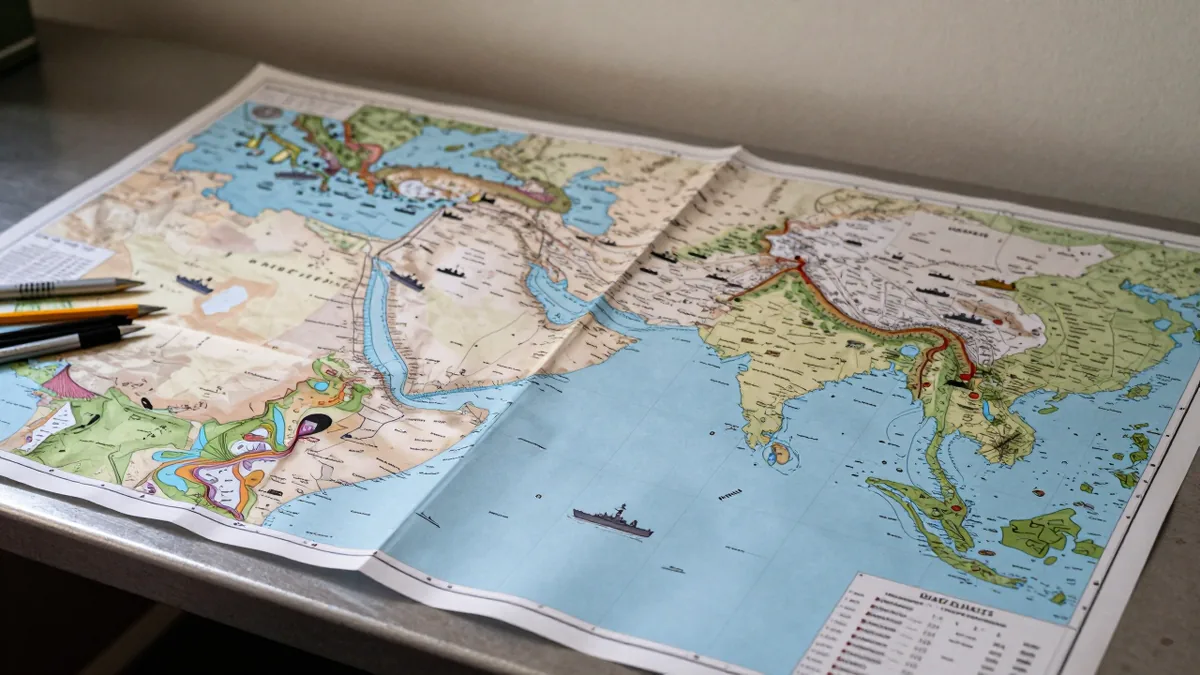
Iran's experience with the nuclear deal and the more recent memorandum has deepened doubts that sanctions relief that is dependent on US waivers and vulnerable to congressional or presidential reversal can provide that future. This helps explain the importance that Iran now attaches to retaining control over Hormuz: Tehran is seeking leverage that it controls, rather than relying on US goodwill.
The common thread is a vision of the conflict that extends well beyond the battlefield. Maritime leverage, domestic surveillance and mobilization, economic resilience, and military power are increasingly being treated as deeply interconnected elements of Iran's ability to withstand pressure and deter another attempt to defeat it by military force.
This posture reflects a deeper reassessment within Iran's security establishment of why deterrence failed before the war. After the US withdrawal from the nuclear deal in 2018, Tehran largely pursued what became known as "strategic patience," calibrating its responses to sanctions, assassinations, sabotage, and Israeli attacks while seeking to avoid a wider conflict and preserve space for diplomacy.
The dominant view in Tehran now holds that this restraint had the opposite effect, reinforcing perceptions in Washington and Israel that Iran was weak and vulnerable, its responses predictable, and the costs of attacking it manageable. The lesson drawn from the wars since June 2025 is therefore not simply that Iran needs greater military capabilities, but also that it must demonstrate the willingness to use them in ways that impose sufficiently severe military and economic costs to discourage its adversaries from escalating again.