WFP halves West Bank aid as Gaza health
The World Food Programme has cut food aid to 200,000 people in the West Bank due to funding shortages, while WHO warns of a potential public health
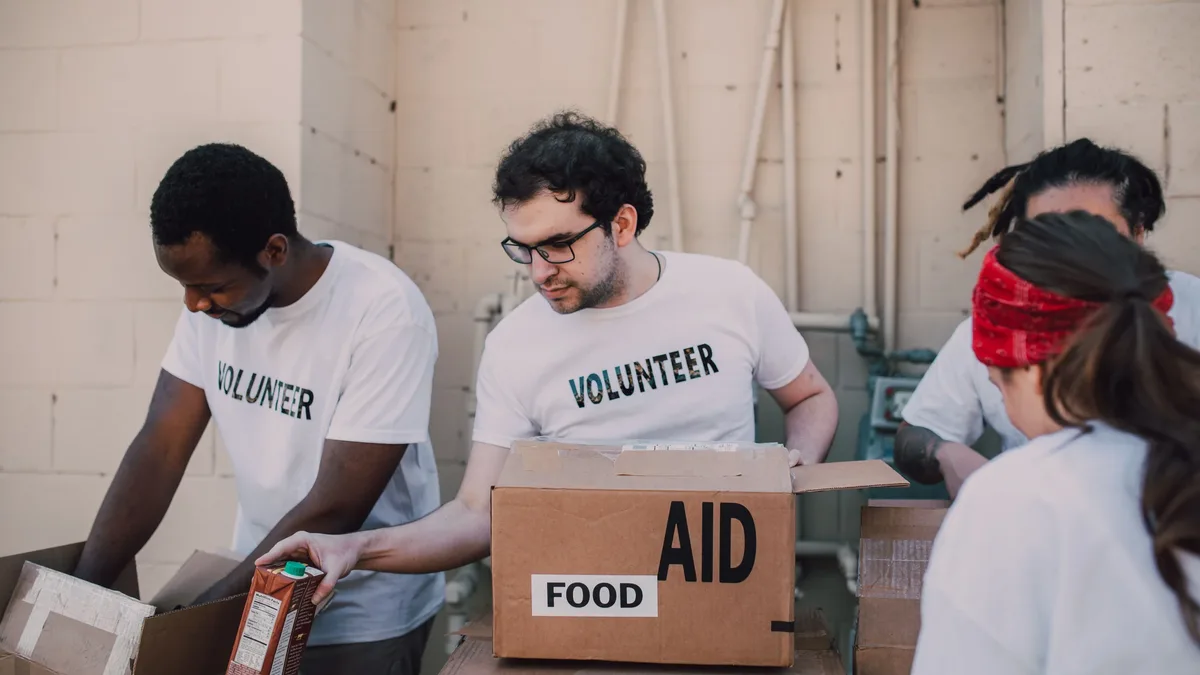
A severe funding shortfall has forced the World Food Programme to halve its food assistance to families in the occupied West Bank. The agency's country director for Palestine, Shaun Hughes, stated that approximately 200,000 people will immediately lose access to this critical support.
He explained that intensified settler violence, escalating Israeli military operations, movement restrictions, demolitions, and widespread displacement have eroded Palestinian livelihoods. This has contributed to a sharp rise in food insecurity. An economic crisis is pushing people to breaking point.
Unemployment has more than doubled. Over a third of the population struggles to meet basic needs. Hughes noted that food may be available in markets, but people simply cannot afford it. The number of food-insecure people in the West Bank is now nearly one million, representing over a quarter of the population. Two years ago, that figure was 11 percent.
Families 'in a chokehold'
During recent visits, Hughes saw families who once earned a living from the land now displaced with their livelihoods destroyed. He described them as being in a chokehold, unable to move freely to access land or jobs and therefore unable to afford food. The small cash transfers WFP provided had become a real lifeline for many. These transfers, about 50 shekels (less than $20) per person per month, will now be cut off due to the funding crisis.
Gaza food security warning
In the Gaza Strip, WFP was forced to reduce cash assistance to 75,000 families in July. Hughes warned that recent slight improvements in food security indicators should not create a false sense of security. Two thirds of Gaza's population still face critical and emergency levels of hunger.
He issued a stark projection. If humanitarian food aid does not continue, up to 90 percent of the population will face high levels of acute food insecurity by the end of this year. WFP requires $386 million to avoid further reductions in assistance in Gaza and the West Bank over the next six months.
Looming public health disaster
The World Health Organization representative in the Occupied Palestinian Territory, Dr. Renee van de Werdt, voiced grave concerns about a looming health crisis in Gaza. She described endless piles of rubble and overcrowded, flimsy tents during her sixth visit to the Strip. She highlighted the catastrophic and unacceptable water situation, where trucks remain the lifeline for most Gazans almost three years into the crisis.
Dr. van de Werdt expressed alarm over both the quantity and quality of water. Microbiological contamination in water has almost tripled since January due to extremely limited testing capacity. Laboratory capacities in Gaza remain very limited, she said, preventing the detection of other likely contaminants.
The deteriorating conditions are already impacting health. Cases of acute watery diarrhoea have nearly doubled from about 30,000 in March to more than 58,000 in August. The situation is expected to worsen in winter, with sewage water flowing through densely populated areas.
Medical care and amputee crisis
WHO has noted a marked improvement in medical and clinical care in Gaza, but progress has not been fast or equal. A significant challenge is the long-term care for amputees. Dr. van de Werdt estimated that more than 6,600 people require such care after having limbs amputated.
No prosthetic or artificial limbs have entered Gaza since May 2024. These devices would allow people, including many children, to walk and live in some dignity. As of July, only 12 percent of people who lost limbs since October 2023 had received prosthetics.
Dr. van de Werdt stressed the urgent need to protect fragile health gains and prevent disease outbreaks at all costs. She stated that while officials know what is coming, there is still time to prevent a public health disaster within this disaster.