War on Terror Ends
The war on terror, which lasted from 2001 to 2021, has ended. The conflict had three primary qualities: policymakers viewed terrorism as a form of war, counterterrorism strategy sought to change the international system, and the war on terror was an attempt to deal with the rise of global jihadism.
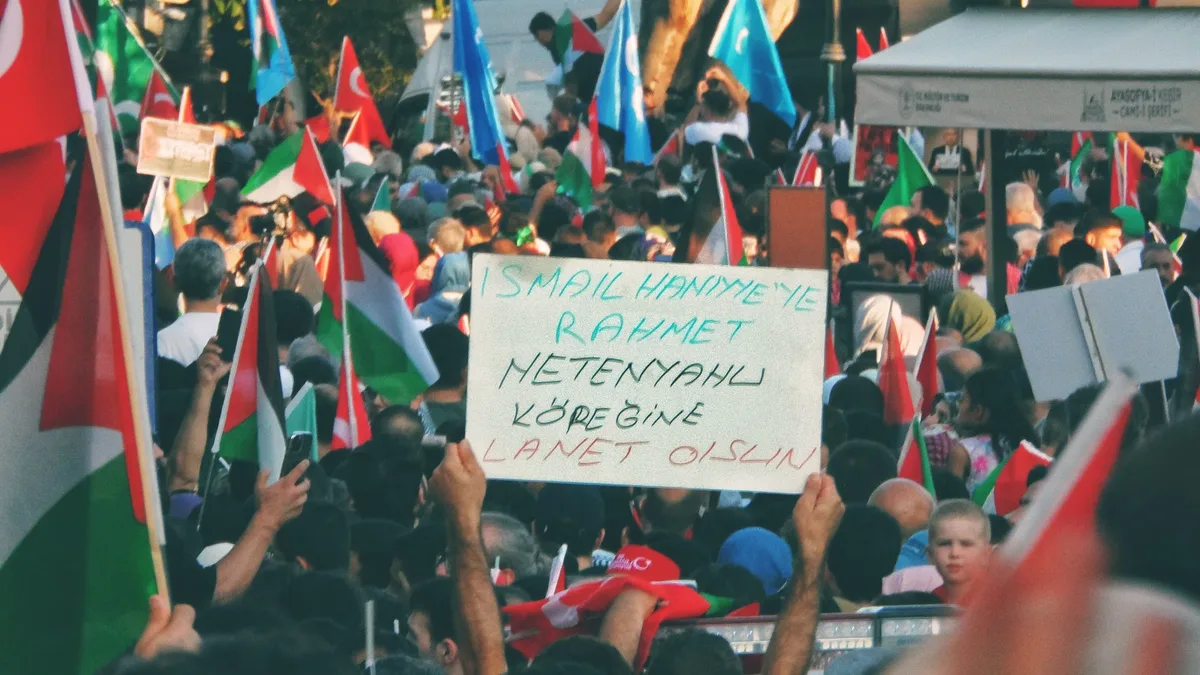
The war on terror, which lasted from September 11, 2001, to the US withdrawal from Afghanistan in August 2021, has ended. According to Foreign Policy, this conflict had three primary qualities that define it as a historical period.
Background
The war on terror was a response to the 9/11 attacks, which vaulted terrorism to the top of the strategic hierarchy. It prompted a shift to a new bipartisan paradigm for viewing terrorism as war rather than crime. This had been a back-and-forth debate for decades, but 9/11 demonstrated that terrorism had the potential to disrupt modern society and destroy human life on a mass scale.
Phases of the War on Terror
The war on terror had three phases, which are defined by changes in objectives, domestic politics, and the perception of the threat's severity. The first phase, which lasted from 2001 to 2006, was characterized by regime change wars and intensive nation-building crusades. The second phase, which lasted from 2007 to 2018, was marked by efforts to lower strategic expectations and put counterterrorism on a more sustainable basis. The third phase, which began during the Trump administration, was characterized by extraction and a shift away from political reform and nation-building.
Key Developments
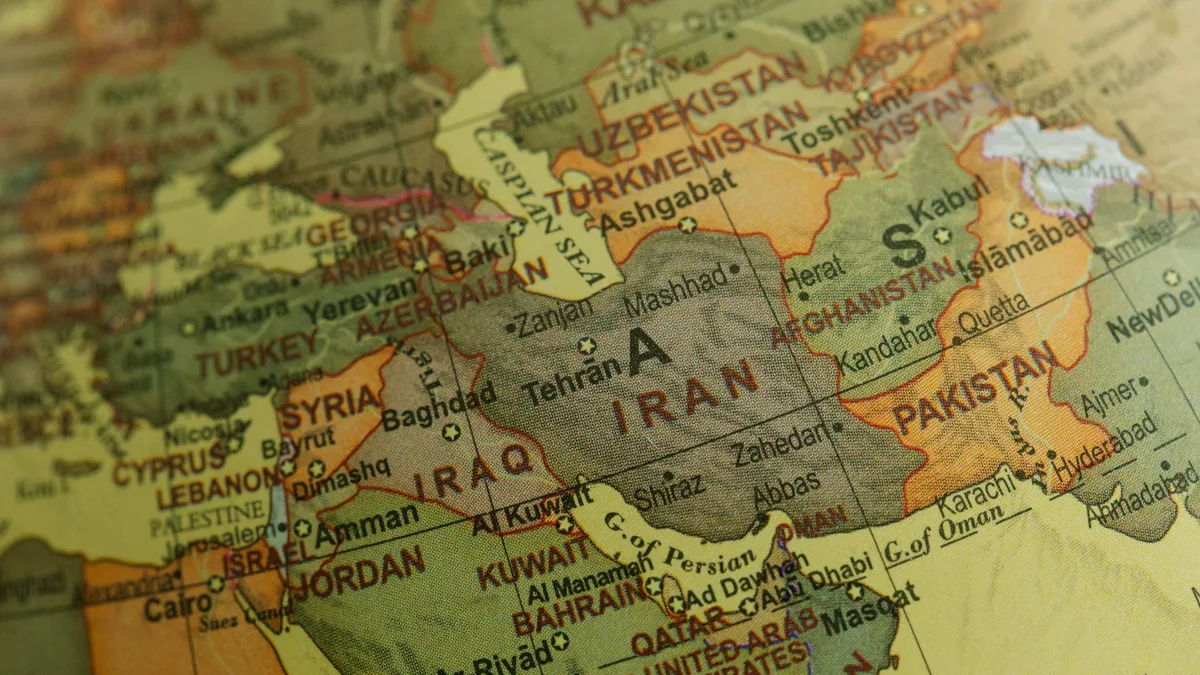
The war on terror was marked by several key developments, including the invasion of Iraq, the surge in Afghanistan, and the rise of the Islamic State. According to Foreign Policy, the war on terror was essentially an attempt to deal with the rise of global jihadism. The conflict had a significant impact on US foreign policy and led to a shift in the way the US approaches counterterrorism.
Legacy of the War on Terror
The war on terror has left a lasting legacy on US foreign policy. The conflict led to a significant increase in military spending and a shift in the way the US approaches counterterrorism. According to Foreign Policy, the war on terror has ended, but its impact will be felt for years to come. The US has shifted its focus away from terrorism and towards other priorities, including great power competition and economic development.
The war on terror's defining characteristics, including the war paradigm, the linkage of reform and counterterrorism, and the struggle with global jihadism, have faded or been eclipsed by other priorities. As the US moves forward, it will be important to learn from the lessons of the war on terror and to develop a new approach to counterterrorism that takes into account the changing nature of the threat.