Vance allies leave Trump administration
Army Secretary Dan Driscoll's resignation is the latest in a series of exits by allies of Vice President JD Vance, reportedly amid a power struggle with
Army Secretary Dan Driscoll resigned this week. His departure is seen as part of a wider political shift pushing skeptics of President Donald Trump's war policies to the margins.
A longtime friend of Vice President JD Vance, Driscoll had clashed with Secretary of Defense Pete Hegseth over the firing of senior military officials. Driscoll reportedly brought these concerns directly to Trump last week.
A Pattern of Departures
Driscoll's exit follows other high-profile departures by Vance's allies and ideological fellow travelers. This list includes Director of National Intelligence Tulsi Gabbard, Deputy National Security Adviser Andy Baker, White House Director of Legislative Affairs James Braid, and Director of the National Counterterrorism Center Joe Kent.
Sources tell Responsible Statecraft that this personnel churn is significant as the administration reaches its halfway point. With Trump expected to become more of a "lame duck" after the midterm elections, the rivalry between Vance and Secretary of State Marco Rubio for the 2028 Republican nomination is intensifying.
Competing Interpretations
Vance supporters offer a rosy interpretation. They suggest he is building an external network. Several lower-level allies have moved to K Street firms, which could be crucial for future campaign fundraising.
A source familiar with administration dynamics said the "deluge of Vance-aligned departures" could give his allies "more freedom to basically do campaign work" for a potential 2028 bid. Analyst Justin Logan of the Cato Institute offered a simpler explanation for some departures, citing the personal demands of public service and family life.
Rubio, having spent 14 years in the Senate, possesses an extensive Washington network. His aides reportedly feel little need to leave the administration to build outside support.
A Losing Turf War?
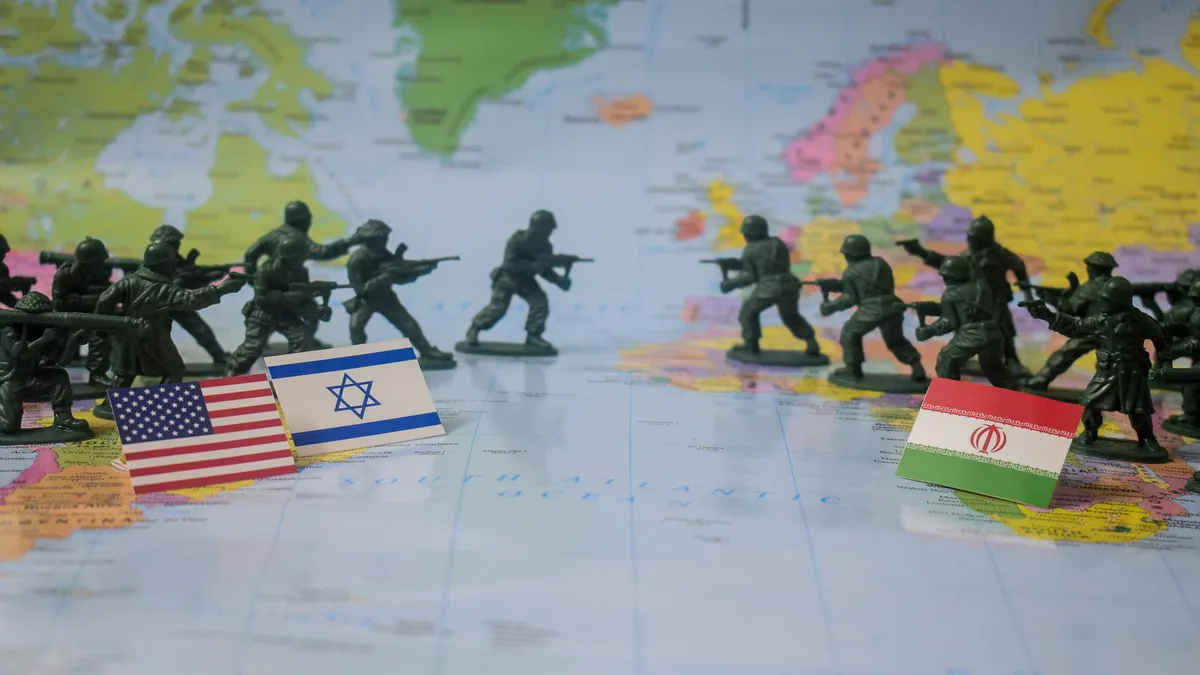
Another interpretation is that a turf war is underway, and Vance is losing. Vance and his allies are broadly associated with foreign policy restraint and were skeptical of Trump's decision to go to war with Iran. Sources say sides are forming, with Rubio's hawks ascendant.
One source called Deputy National Security Adviser Andy Baker's departure a "much bigger deal" than Driscoll's. Baker, a career foreign service officer aligned with Vance's worldview, had a portfolio covering "everything." His exit is seen as ceding ground.
Sources describe a "war"on realists and restrainers. This effort, alongside political maneuvering for 2028, aims to reimpose a pre-Trump neoconservative foreign policy on the Republican party."cemented influence and power,"pointing to control over the National Security Council and dominance in the State Department. For now, these trends advantage Rubio."The upshot of having more neocons in the room and losing more restraint-minded voices is that this thing doesn't seem to be going away anytime soon," a source said. People may soon start pointing fingers, demanding someone take ownership.