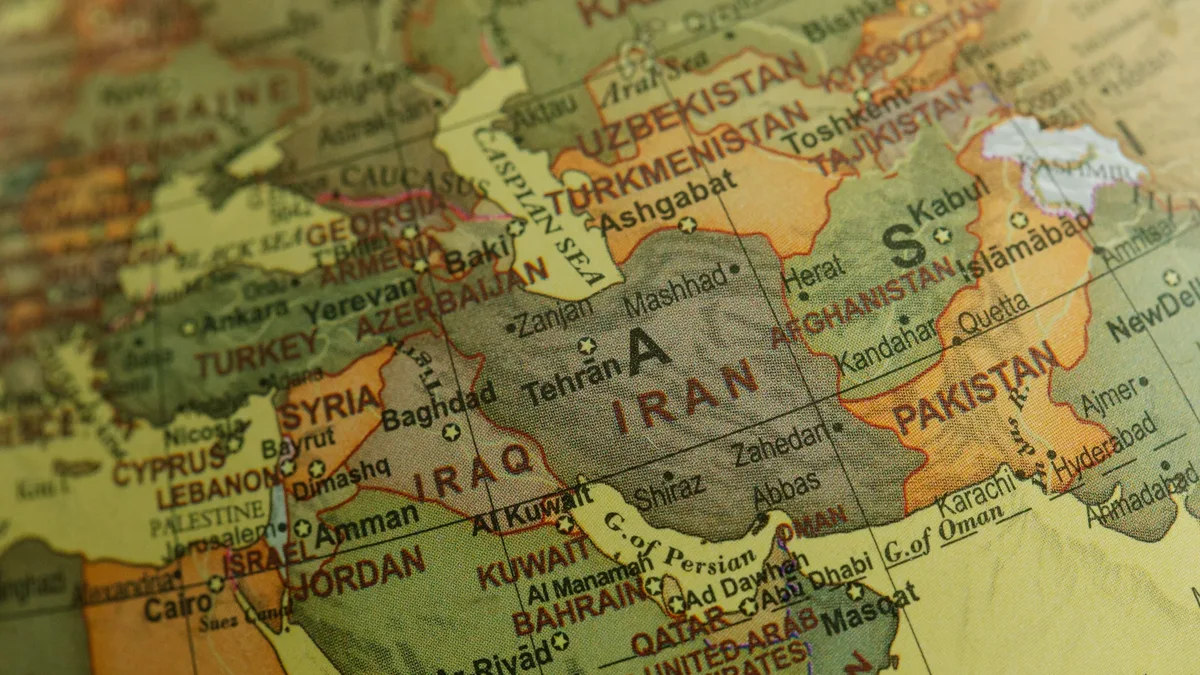
U.S. Troops Withdraw from Iraq, Ending Operation Inherent
The final U.S. Troops are scheduled to leave Iraq on September 30, concluding Operation Inherent Resolve and over two decades of military engagement.
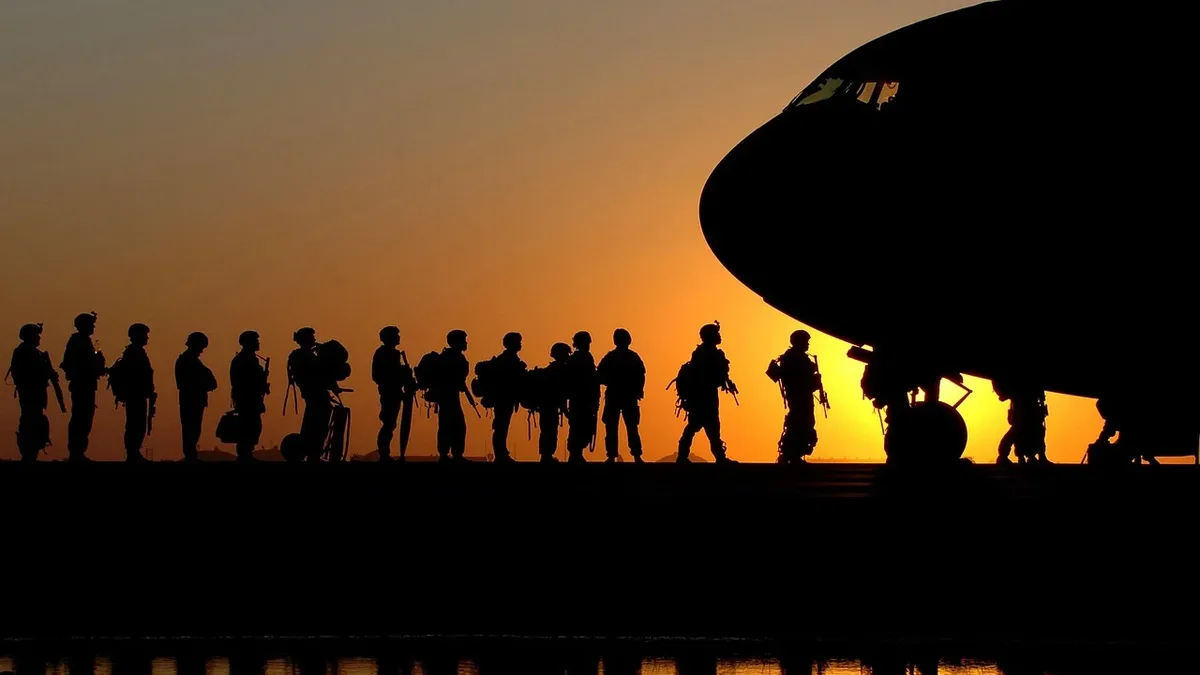
The final U.S. Troops are slated to withdraw from Iraq on September 30, bringing Operation Inherent Resolve and the official campaign against the Islamic State of Iraq and al-Sham (ISIS) to an end. This move closes a chapter of U.S. Military presence that began with the 2003 invasion, according to a panel of experts convened by the Atlantic Council.
Significance of the Withdrawal
The departure marks the conclusion of over two decades of U.S. Military engagement in Iraq. The withdrawal in 2011 was reversed in 2014 after ISIS seized nearly a third of Iraqi territory. While the coalition helped liberate Iraq, the ongoing U.S. Troop presence became a target for Iran-backed militias and a political irritant. Victoria J. Taylor, director of the Atlantic Council's Iraq Initiative, notes this withdrawal fulfills a core demand of those militias and the Iraqi government. It also achieves a Trump administration priority to reduce U.S. Military engagement in the Middle East. The Iraq War is seen as a prime example of the "forever wars" that former President Donald Trump and a majority of Americans believe were mistakes.
Challenges for Iraq's Government
Prime Minister Ali al-Zaidi faces significant challenges in disarming the country's militias by his own September 30 deadline, even with the U.S. Exit. The hardest-line armed groups-Kata’ib Hizbollah, Harakat al-Nujaba, and Kata’ib Sayyid al-Shuhada-have shown no willingness to surrender weapons or integrate into state forces. They have continued to carry out attacks. Alina L. Romanowski, a former U.S. Ambassador to Iraq, states the real test for al-Zaidi will be convincing the U.S. To maintain a defense relationship and encourage investment while he tries to establish control. For the U.S., the test is applying pressure on the Iraqi government and the militias. Renewed attacks between the U.S. And Iran could derail the withdrawal. Romanowski warns a U.S. Departure "will be seen by many in Iraq and across the region as another example of the United States abandoning its partners."
Regional Implications
For Iran, the end of Operation Inherent Resolve could be considered a significant achievement, as its security doctrine has long prioritized reducing the U.S. Regional footprint. However, Nate Swanson, director of the Atlantic Council's Iran Strategy Project, argues that in the context of the broader conflict, the mission's conclusion is mostly irrelevant. It removes one near-term option for Iran: allowing Iraqi militias to fire at U.S. Troops during peacetime. The September 30 date, once a key marker for U.S.-Iran policy, now has little bearing on their relationship or the ongoing war.
The withdrawal does not necessarily mean a resurgence of ISIS, according to Devorah Margolin of the Washington Institute for Near East Policy. Since the group's territorial defeat in Iraq in 2017, the threat has evolved to rely on sleeper cells. The mission shifted to advising and enabling Iraqi partners. Margolin cites a Defense Intelligence Agency assessment that ISIS in Iraq "almost certainly remains severely degraded, focused on its own survival." Continued U.S.-Iraqi cooperation is deemed essential to prevent gains from eroding, including support for managing over 23,000 Iraqi citizens repatriated from ISIS-affiliated detention sites in Syria.
Impact on Kurdish Communities
The departure of U.S. And coalition forces comes at a perilous time for Kurdish communities. In Iraq, the Kurdistan Regional Government is squeezed between Baghdad and hostile regional actors. The winding down of direct military assistance weakens the Peshmerga and Erbil's use in budget negotiations and territorial disputes. The experts warn there is also a psychological impact, as the U.S. Presence served as an insurance policy. In Syria, the withdrawal has forced Kurdish leadership into hurried integration deals with Damascus, stripping away their primary external shield and leaving them vulnerable.