U.S. Secretary Rubio's Security Tour of Andean Nations
U.S. Secretary of State Marco Rubio visited Colombia, Ecuador, and Peru, pledging security assistance, signing minerals deals, and warning about China's
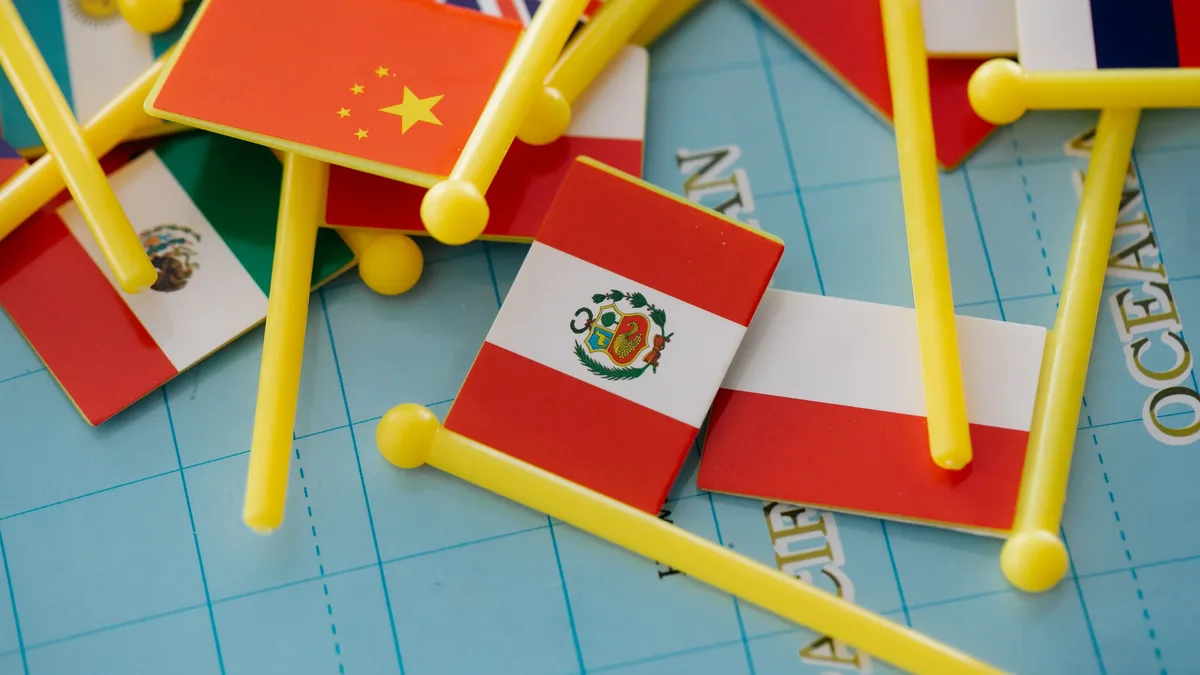
U.S. Secretary of State Marco Rubio traveled to Colombia, Ecuador, and Peru this week. He pledged increased security assistance, signed critical minerals agreements, and cautioned the three countries' recently elected leaders about China's presence in the region.
This was Rubio's fourth trip to Latin America and the Caribbean since becoming secretary of state last year. The Trump administration is increasingly pivoting U.S. Foreign policy toward the Western Hemisphere, expanding military operations on land and at sea to degrade what it calls "narco-terrorist" groups.
Colombia: Minerals and Military Cooperation
Rubio met with newly inaugurated Colombian President Abelardo de la Espriella in Barranquilla. The U.S. And Colombia signed a deal to jointly identify and finance mining and processing projects within six months, targeting reserves of gold, nickel, coltan, platinum, tungsten, and other rare earths. A separate agreement established a framework for bilateral strategic civil nuclear cooperation.
The visit followed a devastating earthquake last month. The State Department responded by delivering nearly $27 million in aid. President de la Espriella, who was endorsed by former President Trump, has sought U.S. Relief from 12.5% tariffs affecting Colombia's flower industry, but no announcement was made.
Rubio stated that the new Colombian administration had not formally requested the deployment of U.S. Troops to fight crime syndicates. Instead, they agreed to launch the regional headquarters of the U.S. Counter-cartel coalition, known as the Shield of Americas, in Medellín.
Ecuador: Designations and Funding
In Quito, Rubio met with President Daniel Noboa. He announced Washington was placing terrorist designations on the Ecuadorian gang Los Tiguerones and sanctioned seven former public officials over alleged ties to criminal groups. Rubio hailed Ecuador as an "aggressive partner" in the administration's counterdrug push and said he would seek $45 million in U.S. Funding toward these ends. He was awarded Ecuador's National Order of Merit, the Grand Cross.
The secretary's visit coincided with ongoing joint U.S. Military operations targeting armed groups along Ecuador's border with Colombia. U.S. Lawmakers and experts continue to raise concerns about democratic backsliding, growing insecurity, and alleged official ties to drug trafficking in the country.
Since his election, Noboa's government has lobbied for increased U.S. Weapons sales, a free-trade deal, and the return of a U.S. Air base in Manta. A popular referendum last year rejected the presence of foreign military bases, constraining some requests. Changes to U.S. Trade policy have also pushed Ecuador to deepen commercial ties with China.
Peru: Alliance and Protests
Rubio met with recently inaugurated Peruvian President Keiko Fujimori in Lima. Peru formalized its membership in the Shield of Americas coalition and requested U.S. Support to face the upcoming El Niño weather phenomenon. Rubio's visit triggered sizable protests, and he was awarded the country's highest civilian honor, the Order of the Sun.
Named a non-NATO ally earlier this year, Peru purchased $3.5 billion in Lockheed Martin F-16 fighter jets months later. The report states this was due in part to pressure from U.S. Ambassador Bernie Navarro, a longtime Rubio confidant. Peru's conservative government has withstood U.S. Calls to decouple economically from China, a major investor in its mining, energy, and infrastructure sectors.
The Peruvian government hired Rubio-aligned lobbying firm Continental Strategy last year to reverse 50% tariffs on its U.S. Copper exports. Sources told reporters that President Fujimori is now seeking relief from the more recent 12.5% U.S. Tariffs affecting agricultural trade. Peru faces growing insecurity in ports and prisons, extortion of business owners, and high levels of coca production in rural areas.
For an administration wielding coercive tools to secure cooperation with its militarized anti-drug agenda, striking security agreements with like-minded leaders was straightforward. The trip provided Rubio an opportunity to shore up his image across the hemisphere as other administration officials tout a controversial oil deal in Venezuela.