Russia-North Korea Ties Challenge US
U.S. President Donald Trump's reduction of military drills with South Korea coincides with North Korea gaining combat experience in Ukraine, complicating a
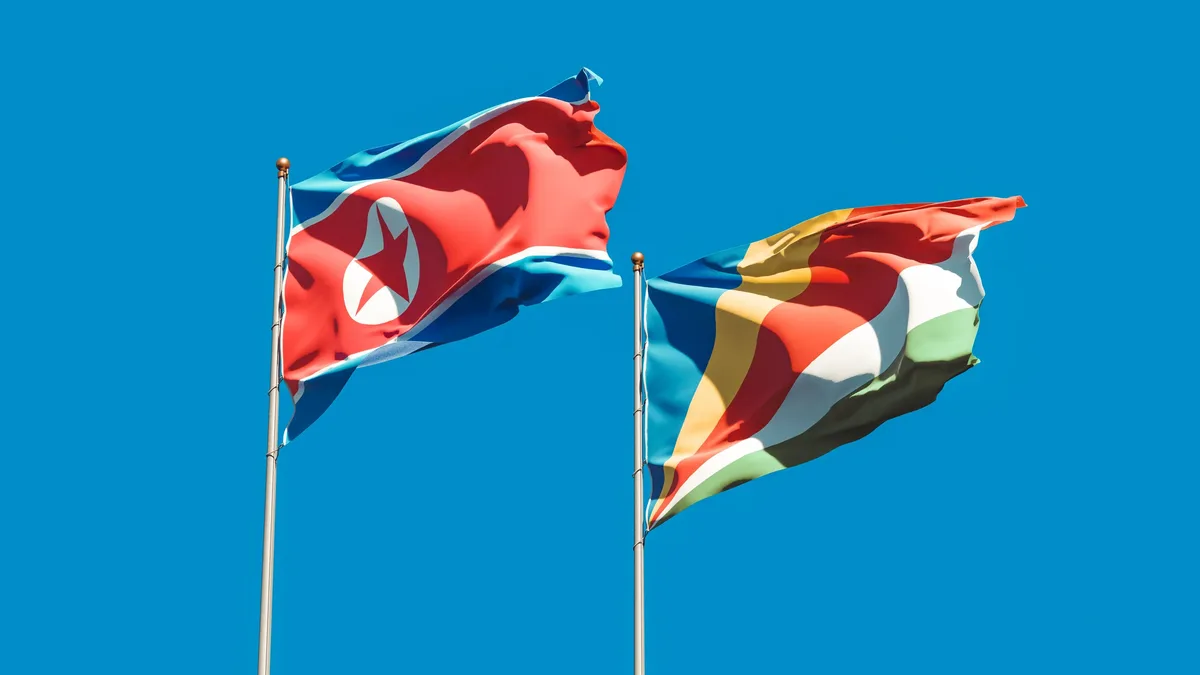
U.S. President Donald Trump scaled down the annual Ulchi Freedom Shield military exercise with South Korea last week. The decision came as Ukrainian President Volodymyr Zelensky warned that North Korea's military capacity is expanding, with its forces gaining experience in Russia's war.
In the days after Zelensky's warning, Russian forces used North Korean ballistic missiles in an attack on Zaporizhzhia, and Pyongyang launched another missile from its east coast. Analysts say lessons from Ukraine will shape any future military clash the United States and South Korea might face.
Burden-Sharing Strategy
These events expose a problem for the Trump administration's foreign-policy strategy of dividing defense labor among allies. Washington wants allies to assume more security responsibility in their own regions, freeing U.S. resources. However, the Russia-North Korea relationship is making those regions harder to separate, leaving allies like South Korea with a greater burden as threats become more complex.
The administration's 2026 National Defense Strategy specifies that European allies should take primary responsibility for Europe's conventional defense and for supporting Ukraine. It describes South Korea as capable of taking primary responsibility for deterring North Korea, with "critical but more limited" U.S. support. This approach is meant to give U.S. forces more flexibility to respond to contingencies elsewhere, a prospect that has raised concerns in Seoul.
A Cross-Theater Complication
The strengthening Russia-North Korea bond complicates this logic because one theater is changing the threat in another. North Korea has supplied Russia with large quantities of artillery and ballistic missiles and sent roughly 15,000 troops to Russia's Kursk region. Zelensky recently claimed another 30,000 to 50,000 troops could be deployed, a claim North Korean official Kim Yo Jong dismissed as "groundless."
North Korean forces are gaining experience in Ukraine with drones, electronic warfare, and precision strikes. Reuters reported last year that North Korean ballistic missiles fired by Russia had become markedly more accurate. This real-world feedback is something a test range cannot provide.
Despite U.S. military officials citing North Korea's Ukraine experience as a key development to account for, Trump ordered the Ulchi exercise reduced from 11 days to five. The president linked the cut to reducing tensions with Pyongyang and to frustration with Seoul for declining to support U.S. operations involving the Strait of Hormuz.
Seoul's Strategic Dilemma
Seoul generally accepts it should carry more defense responsibility. However, South Korean officials believe greater responsibility should not mean a less dependable U.S. role or that South Korea automatically inherits security obligations wherever North Korean forces appear.
South Korea has a security interest in the Ukrainian battlefield, but acting on it carries costs. President Lee Jae-myung's government is trying to open dialogue with Pyongyang, aiming to reduce military tensions and eventually replace the 1953 armistice. Direct military aid to Ukraine could complicate this diplomatic effort.
Seoul must also consider Russia. Before the 2022 invasion, bilateral trade reached roughly $27 billion in 2021. The war, sanctions, and Russia's alignment with North Korea have eroded ties, but Seoul has reason to avoid treating the relationship as permanently destroyed. Moscow provides Pyongyang with a major-power partner willing to sustain military ties despite sanctions, making North Korea harder to isolate. Washington and Seoul are growing concerned about what Russia may provide North Korea in return for its military support.