Russia's Africa Corps Fails to Secure Mali's Gold After Five
Russia's Africa Corps, deployed in Mali for five years, has failed to secure access to the country's gold resources, a key objective of its predecessor
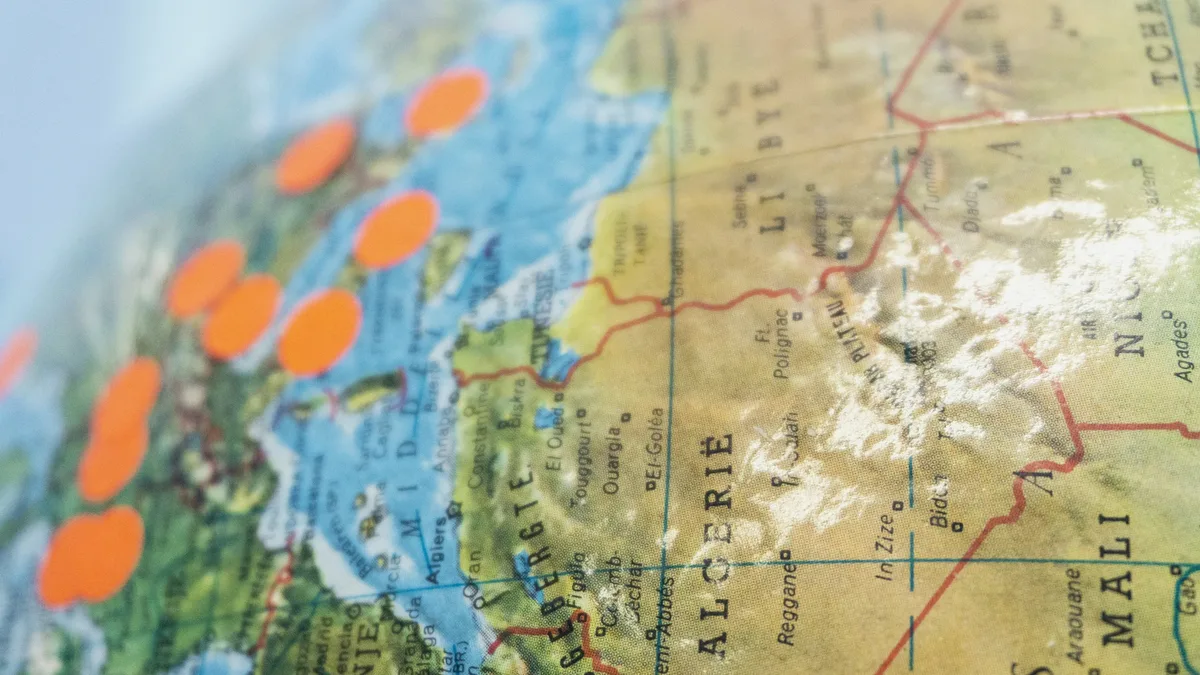
A new convoy of Russian armored vehicles has arrived in Mali from Lomé port. The mission, demanding a return on Russia's investment of blood and treasure, has yet to achieve its apparent goal of securing access to Mali's gold.
Wagner's Failed Resource Grab
When the Wagner Group entered Mali in December 2021, it sought a resources-for-security deal similar to its arrangement in the Central African Republic. There, Wagner gained full economic access, from gold and diamonds to beer and liquor sales, in return for providing security. However, as documented in the book Moscow’s Mercenaries by authors including Chris Faulkner and Colin Clarke, Mali proved a much harder target. Wagner's failure to secure extractive resources in Mali was the beginning of the end for the organization. Africa Corps, its state-controlled successor, has also failed to secure access to Malian gold.
Mali Centralizes Its Gold Industry
The Russian failure coincides with the Malian government's push to ensure its own control over gold mining. This process began with a new mining code in 2023 that increased government royalties and ownership stakes. It escalated in late 2024 with the arrest of four Barrick Gold employees and an arrest warrant for Barrick CEO Mark Bristow. Barrick later agreed to a settlement, paying the Malian state approximately $430 million for the release of its employees, dropped charges, and renewed operations. Malian President Assimi Goïta then moved to centralize state gold mining through a venture called Sopamim. These developments have pushed Russian military entrepreneurs out of Mali's gold business while strengthening the Malian state and maintaining Western mining companies' role.
Precarious Payments and Shifting Strategies
While Wagner could not secure direct mining access, U.S. Intelligence claims the Malian junta government paid Wagner roughly $10.8 million per month. The Malian government was believed to finance this through taxes on international gold miners like Barrick or directly with gold when payments dried up. The Royal United Services Institute for Defence and Security Studies argues that "operations in Mali were not profitable for Wagner." It stated that yearly profits "would not be enough to pay the costs of only one day of Russia’s fighting in Ukraine." The payment structure kept economic power in Bamako's hands.
Africa Corps and the Kremlin have tried to maintain pressure. Russian conglomerate Yadran Group is partnering with Mali to build a gold processing facility, which broke ground in June 2025. However, experts note this facility would compete with a Malian-owned refinery and makeshift smelters. Its timeline is unclear. Elsewhere, Africa Corps has continued Wagner's attempts to secure the Intahaka artisanal gold mine but has not gained control. According to local miners cited by The Sentry's Justyna Gudzowska, Africa Corps has controlled some roads leading from the mine for occasional taxation.
Diplomatic Gains and Military Costs
Russia has gained political capital in the Sahel since 2022, swinging Mali, Niger, and Burkina Faso away from the West. This has provided diplomatic benefits, including aligned votes at the United Nations on Ukraine. However, these fading victories are proving costly. Wagner saw an estimated 84 troops killed in an ambush at Tinzaouatène in late July 2024. Africa Corps continues to see helicopters shot down, troops attacked, and bases besieged. It has been unable to stop jihadist attacks across the country, including in Bamako. Russian operations have not succeeded where the West failed, and its reputation in Mali is declining.
The Kremlin also faces diplomatic challengers. The arrival of three new Turkish medium-range Akinci drones could signal a shift toward Turkish military assistance, following Burkina Faso's strategy. This could signal a weakened Malian state and a loosening of Russia's grip, especially after the death of pro-Russian junta Defense Minister Sadio Camara. China's military investments have been limited to weapons sales, and the United Arab Emirates' involvement centered on a $50 million payoff to a jihadist group for kidnapped citizens. At this point, Russia may be staying in Mali due to inertia and sunk costs, unable and perhaps uninterested in securing the material wealth it once sought.