Russia Rejects Peace Talks, Demands
The Kremlin has rejected a trilateral peace summit and continues to insist on peace terms that would undermine Ukrainian sovereignty, with analysts arguing
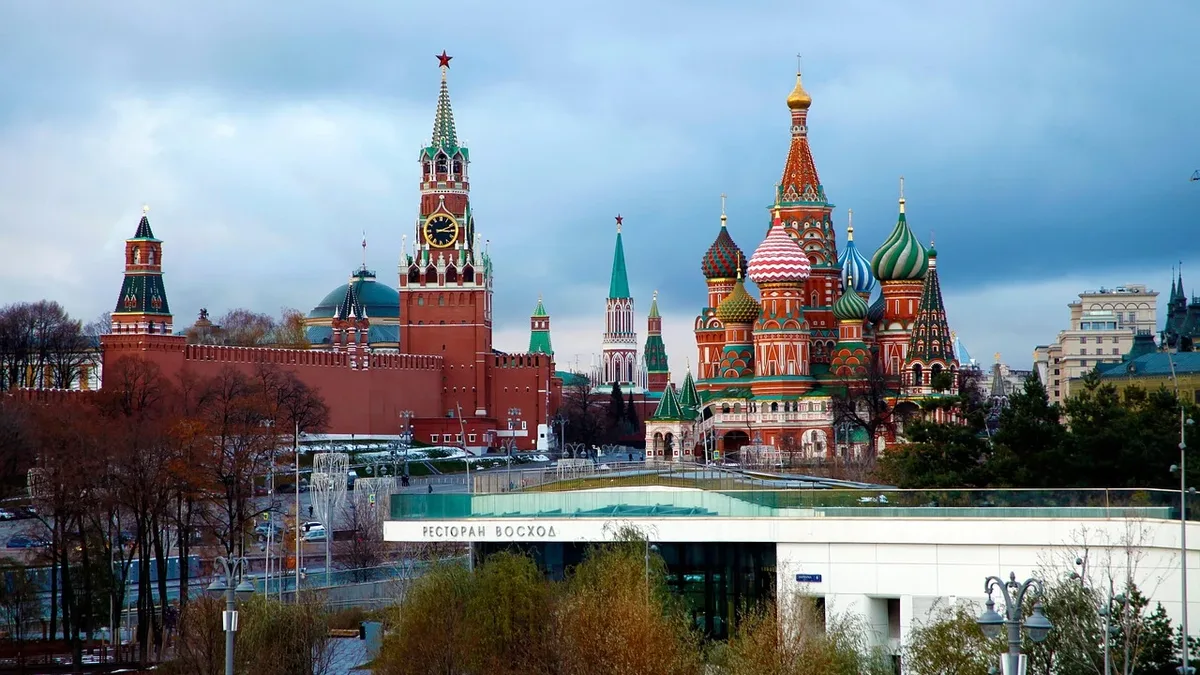
The Kremlin has rejected the idea of a trilateral peace summit involving the leaders of Russia, Ukraine, and the United States. Kremlin spokesman Dmitry Peskov stated there would be absolutely no point in such a meeting unless a final deal was ready for signing.
This refusal highlights Russia's uncompromising stance. Since US President Donald Trump returned to the White House in early 2025, Russian officials have publicly voiced readiness for diplomacy while blaming Ukraine and the West for obstructing peace. In practice, Russian President Vladimir Putin has offered no meaningful concessions.
Russia's Maximalist Demands
Russian officials consistently stress the need to address the root causes of the war. While vaguely defined, this phrase reflects the Kremlin's refusal to accept an independent Ukraine. The proposed peace terms are punitive and extensive.
Russia demands Ukraine recognize the new territorial realities created by its invasion. This would mean permanently ceding occupied territories. Ukraine would also have to abandon its eastern defensive fortifications and withdraw entirely from the Donbas region. Such concessions would gravely endanger the Ukrainian state's survival.
Imposed Neutrality and Internal Control
Territorial demands are only one facet of Moscow's vision. The Kremlin seeks to impose an extreme form of neutrality on Ukraine. This includes barring future NATO membership and restricting Kyiv's right to form bilateral security partnerships with Western allies. Russia also insists on strict limits to the size and capabilities of the Ukrainian military.
Kremlin officials further call for a settlement reviving Russian influence over Ukraine's domestic affairs. A memorandum from bilateral talks in summer 2025 demanded Ukraine grant Russian official state language status, reinstate privileges for the Russian Orthodox Church, and adopt a Kremlin-friendly version of history. So-called nationalist Ukrainian political parties would be banned, paving the way for a puppet regime.
The Goal of Regime Change
Russian Foreign Minister Sergei Lavrov reiterated in August 2026 that Moscow rejects any peace safeguarding Ukrainian statehood or enabling Euro-Atlantic integration. He dismissed a ceasefire based on current front lines as unacceptable because it would leave the Nazi regime in power. This indicates Russia's end goal remains regime change in Kyiv.
Russian officials maintain Moscow has never refused diplomacy, even while reiterating conditions incompatible with Ukrainian sovereignty. The language of diplomacy is being used to legitimize the invasion's maximalist objectives.
Ukrainian Defense Minister Yevhenii Khmara, appointed recently, commented on the situation in late August. He stated that accepting Russia's current territorial demands would not end the war. Russia is not interested in Donetsk or Luhansk alone, Khmara said. Its goal is all of Ukraine.
Analyst Kateryna Odarchenko, writing for the Atlantic Council, concludes that for Putin, the fundamental root cause of the conflict is the very existence of an independent Ukrainian state.