Germany's Russia Reset Talk Debunked
Analysis dismisses the likelihood of Germany returning to its old Ostpolitik of pragmatic cooperation with Russia, citing deep-seated political, economic

Speculation about a German foreign policy reset with Russia is growing, but a substantive shift remains improbable. According to an analysis from War on the Rocks, mainstream political parties, business leaders, and most of the German public maintain profound distrust toward the Kremlin.
Despite favorable conditions for a return to pragmatic cooperation, known as Ostpolitik, key political and business networks show little traction for the idea. The far-right Alternative for Germany (AfD), which promotes a Kremlin-friendly outlook, faces significant barriers to national power.
From Post-Invasion Rupture to Current Pressures
Germany's foreign policy underwent a dramatic U-turn following Russia's full-scale invasion of Ukraine in February 2022. The government of then-Chancellor Olaf Scholz severed ties with Moscow and aligned itself with U.S. policy, becoming Ukraine's second-largest military supporter.
The geopolitical landscape has shifted by 2026. With Scholz and U.S. President Joe Biden gone, the new Trump administration has treated Germany with contempt over issues like tariffs and Ukraine policy. Germany now faces simultaneous pressure from the United States, China, and Russia, a difficult position for a trade-dependent middle power.
New Chancellor Friedrich Merz has few diplomatic achievements to show from his efforts in Washington and Beijing. Economic fears have been confirmed by a U.S. attack on Iran and China's ongoing support for Russian President Vladimir Putin, leading some to question if engagement with Moscow might be more productive.
Domestic Forces and the AfD's Rise
Domestic politics add another layer of complexity. Merz's coalition is unpopular, while the far-right AfD leads national polls by a significant margin. The party presents a distinctly Kremlin-friendly outlook, having decided in 2024 that Russia had won the war in Ukraine.
The AfD has consistently opposed military aid for Ukraine and sanctions on Russia, arguing for the revival of the Nord Stream pipeline to secure German economic interests. When Ukrainian President Volodymyr Zelensky visits the Bundestag, AfD lawmakers leave the room.
Upcoming state elections in Berlin, Saxony-Anhalt, and Mecklenburg-Western Pomerania present a stress test. The AfD is expected to score big, potentially entering state government for the first time, particularly in the more Russia-friendly east of the country.
Why a Reset Remains Unlikely
Several structural factors make a genuine reset with Russia unlikely in the foreseeable future. First, there are very few Ostpolitiker left in Berlin's political establishment. The Greens have embraced Atlanticism, the Christian Democrats (CDU) purged its Russia doves in 2022, and only a small number of dissenters remain in the Social Democratic Party (SPD).
Second, the AfD is unlikely to form a national government soon. A general election is not planned before 2029, and the CDU remains unwilling to form a coalition with the far-right party. For the AfD to unilaterally change Russia policy, it would need an outright majority of parliamentary seats, a feat achieved only once at the federal level. Its current polling of 27 to 29 percent falls short.
Third, the infrastructure for German-Russian relations has largely collapsed. Key organizations like the Petersburg Dialogue have been wound down, and the German Eastern Business Association has redirected its efforts. While some firms attended the 2026 St. Petersburg International Economic Forum, they were not major German players.
The Nord Stream pipeline network, Ostpolitik's economic centerpiece, is unlikely to be revived while Putin remains in power. Germans remember the 200-billion-euro bailout for energy companies and customers in 2022 and have since proven they can live without Russian gas.
Public Opinion and Security Incidents
German public opinion shows little appetite for collaboration with Moscow. A 2026 poll for broadcaster ARD found only 12 percent of Germans view Russia as reliable, a figure virtually unchanged since the 2022 invasion. This sentiment is strongest in the former West Germany, home to over four-fifths of the electorate.
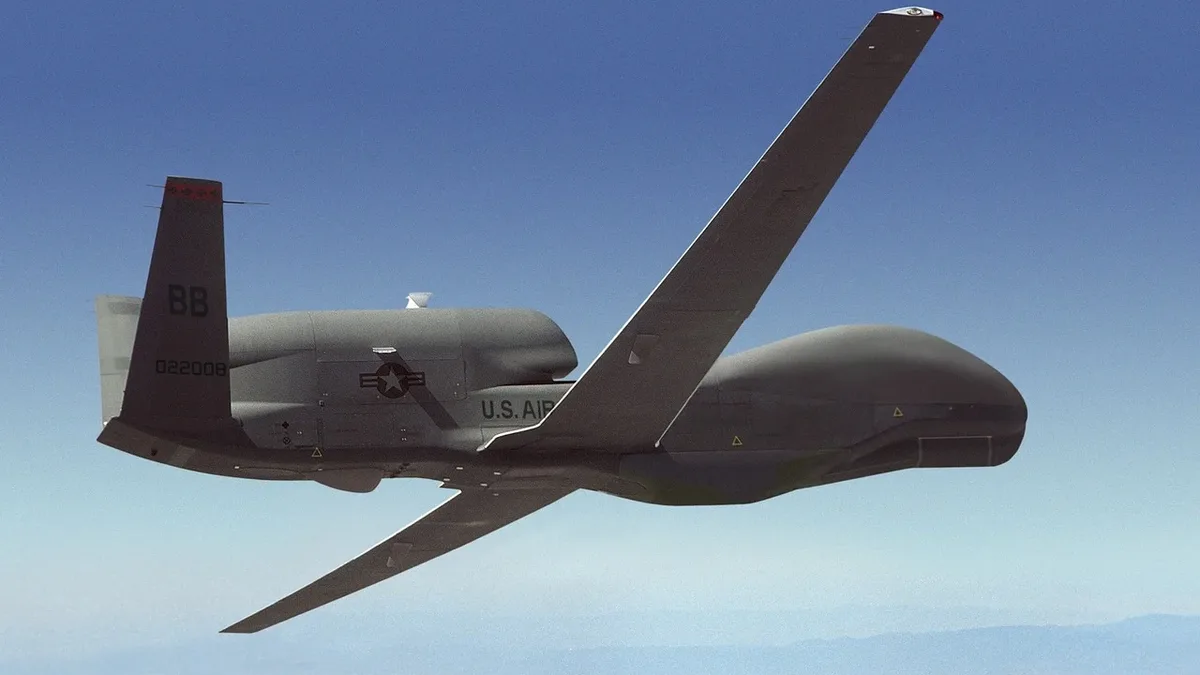
Escalating sabotage campaigns on German soil are not shifting this balance. An August 2026 failed drone attack on Leipzig/Halle airport, with evidence increasingly linking it to Russia, appears to have hardened resolve rather than induced fear. The analysis notes the result has been decisions to boost anti-drone defenses and empower spy agencies.
Ostpolitik as Identity Politics
While ineffective as foreign policy, Ostpolitik has been revived as a form of identity politics. It appeals to a broad, unlikely alliance, claimed by the far-right obsessed with 'national interests' and by parts of the left calling for 'dialogue' and 'de-escalation.' These disparate voices share a rejection of what they see as a confrontational Atlanticist consensus.