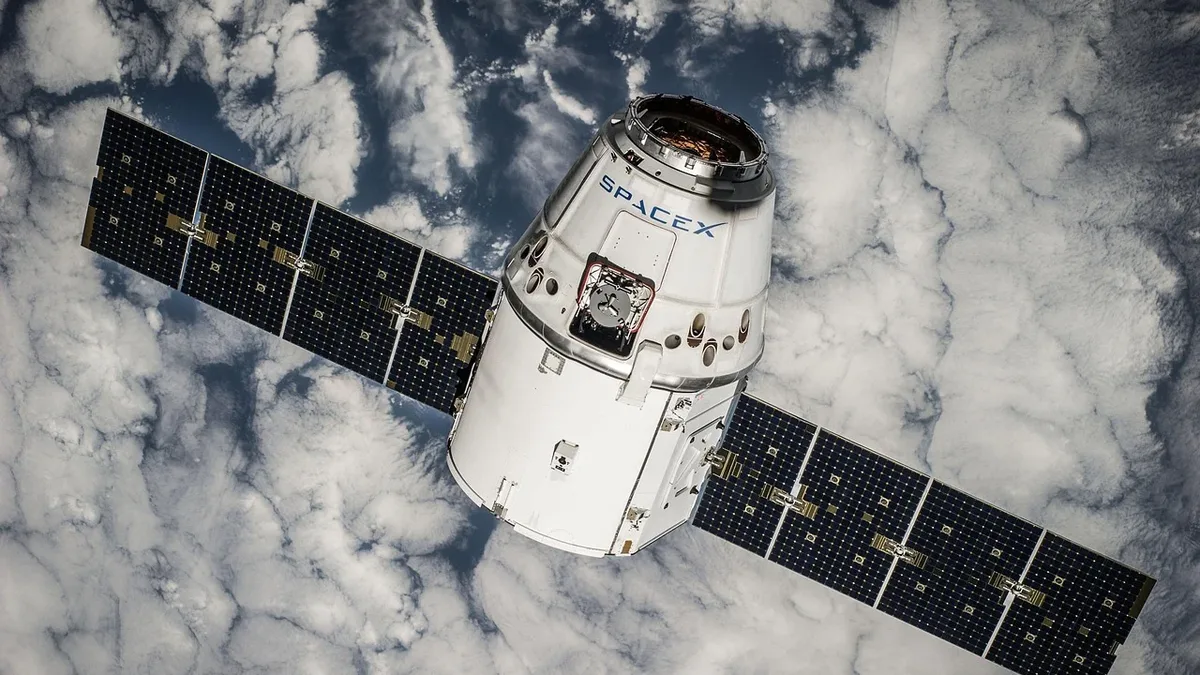
Defense-Dominant World Reshapes
Recent conflicts suggest a shift to a 'defense-dominant' world where powerful states struggle to conquer territory, driven by new technologies like drones.
Recent conflicts indicate the world may have entered a new era of "defense dominance," where larger, more powerful states find it difficult to conquer territory or extract major concessions from much weaker ones. This analysis, published by Foreign Policy, cites Russia's invasion of Ukraine as evidence.
Technological Shifts Favoring Defense
The immediate causes for this shift are identifiable. They include the development of sophisticated drones and accurate missiles, alongside improved surveillance and targeting capabilities. These advancements make it harder for large military units to operate in the open, where they become targets for hidden defenders.
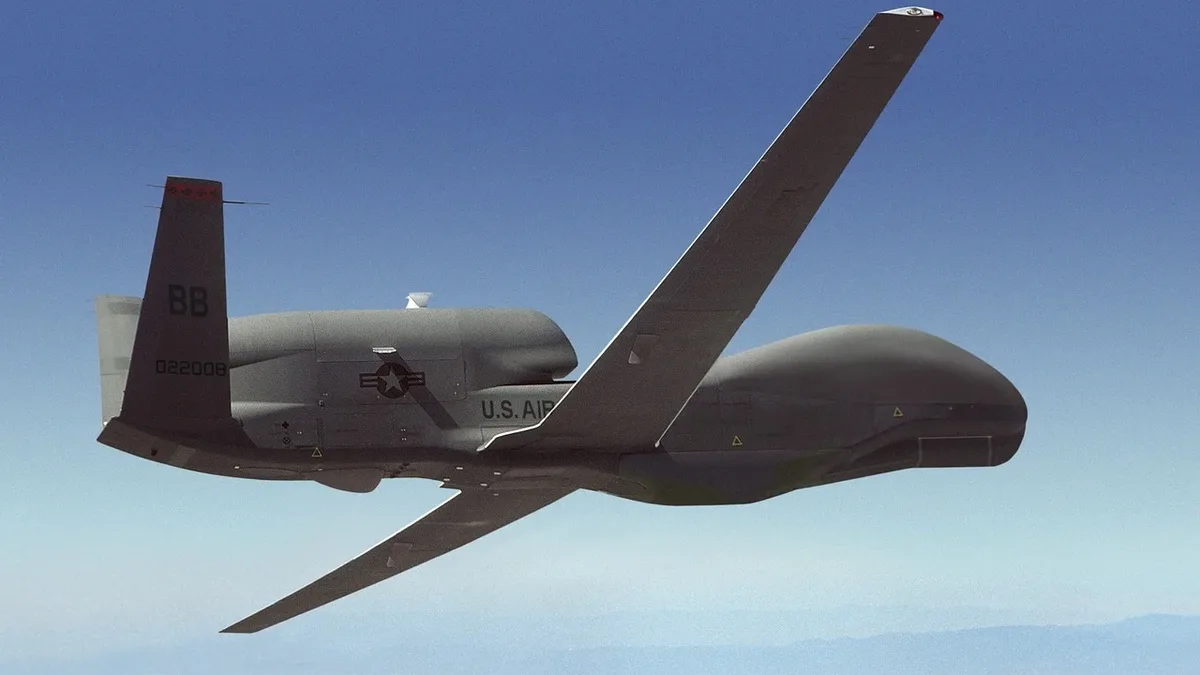
Similarly, expensive power projection assets like aircraft carriers and stealth aircraft are becoming vulnerable. They reportedly have significant trouble eliminating cheaper, easy-to-conceal drones and ballistic missiles. In the hands of a determined enemy, these capabilities allow even comparatively weak adversaries to mount a potent defense of their home territory and impose costs from a distance. This, in turn, makes it harder for objectively stronger powers to compel surrender.
This situation poses a particular challenge for the United States. The U.S. has grown accustomed to operating with near impunity against adversaries and enjoying "command of the commons" for power projection. While these advantages did not enable victory against determined local foes like North Vietnam or the Taliban, they did allow for the toppling of brittle autocrats such as Saddam Hussein, Nicolás Maduro, and Muammar Gaddafi. They also facilitated gross military mismatches like the invasions of Grenada in 1983 and Panama in 1991.
The Theory of Offense-Defense Balance
The central question is whether recent developments constitute a far-reaching shift in the efficacy of military power and the character of international politics. This question connects directly to a controversial body of international relations theory centered on the "offense-defense balance."
As developed by scholars like George Quester, Robert Jervis, Stephen Van Evera, Charles Glaser, and Chaim Kaufmann, offense-defense theory argues that the ease or difficulty of conquest profoundly affects state security and interstate relations. In brief, if conquest is easy, all states are less secure. Some will be tempted to expand because it is easier, and being bigger might improve survival prospects. Preemptive and preventive wars become more common, arms races intensify, and suspicion runs high. As Robert Jervis emphasized, when offense is easier than defense, the security dilemma is especially intense.
If defending is easier than attacking, these effects reverse. Small states can more readily deter or defeat larger powers. Amassing vast empires becomes difficult. Preemptive wars make less sense. States can trust each other more easily. Status quo states can adopt defensive military postures, enhancing their own security without threatening others. The security dilemma weakens, and international cooperation is easier to sustain.
Determining the Balance
Proponents argue the offense-defense balance is a function of many factors. These include mobility, firepower, the capacity for surprise, geography, diplomatic efficiency, and political cohesion. Geographic barriers like mountains and oceans make conquest harder, while technologies enabling rapid movement make it easier. It is harder to conquer states with unified, nationalistic populations but easier to take over divided countries where invaders can play "divide-and-rule." Conquest is also harder when states can easily detect attack preparations and when rapid communication aids forming balancing coalitions against aggressors.
The theory uses a single concept, whether it is easier to conquer or defend, as a master variable shaping world politics. It attracted significant attention when first articulated and shaped earlier work in the field.
Critiques and Uncertainties
However, the theory faces important critiques. Skeptics argue defining or measuring the balance is far from simple, noting most weapons can be used for offense or defense. It is hard to distinguish forces designed for conquest from those intended solely for defense.
Also, it is unclear if the offense-defense balance is a systemic property applying nearly everywhere or something analyzed case-by-case. It might be hard to conquer country A but easy to conquer country B due to differences in location, geography, and politics. If so, drawing general conclusions about world politics becomes harder.
History suggests states frequently misjudge what will happen once a war begins. The only reliable way to determine if conquest is easy might be to start a war and see. Also, the ability to attack or defend can change rapidly with new weapons and refined tactics. After World War I, planners assumed a future European war would be a stalemate, but Germany's development of blitzkrieg showed conquest could still be rapid under the right conditions.